
Choose Carbon Steel or Stainless Adapters from the Actual Corrosion Mechanism
HGW Hydraulics on Jul 12th 2022
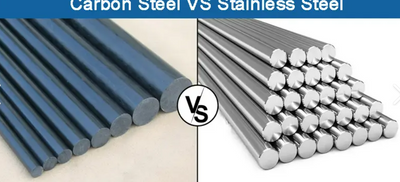
Carbon steel and stainless adapters can both perform reliably when their material and surface system match the fluid and environment. Stainless is not automatically ten times longer-lived, and carbon steel does not begin corroding quickly in every controlled location.
Separate external and internal exposure
Humidity, road salt, seawater spray, fertilizer, washdown, mine water, and chemicals attack external surfaces differently. Hydraulic fluid and process media act on the bore and seals. Record concentration, temperature, deposits, drainage, and cleaning.
Carbon steel commonly uses zinc, zinc-nickel, or another controlled finish. Coating damage and edges can become initiation points. Stainless relies on a passive film; 316 often improves resistance in many chloride environments because of molybdenum, but can still pit or corrode in crevices.
Check the finished fitting rating
Alloy name does not establish pressure or temperature capability. Geometry, heat treatment, threads, seal, size, manufacturing, and test basis matter. The mating port, hose, tube, and O-ring may control the assembly.
Include material-pair effects
Stainless can gall during assembly, especially against similar stainless. Carbon steel coating can be damaged by tools. Dissimilar metals in a conductive environment can create galvanic corrosion. Use approved lubrication, torque condition, isolation, and inspection.
Compare total cost with evidence
Stainless may justify higher purchase cost where corrosion replacement, downtime, or cleaning is significant. Coated steel may be preferable indoors or in controlled mobile service. Track real failure history, coating condition, labor, stock, and replenishment rather than using an unsupported life multiplier.
Specify exact grade or coating, seal, rating, drawing revision, and approved alternatives. The correct adapter is the one whose documented material system addresses the actual corrosion path without creating a new assembly or supply problem.