
Select DIN-End Check and Shuttle Valves by Flow Function and Seat
HGW Hydraulics on Jun 9th 2022
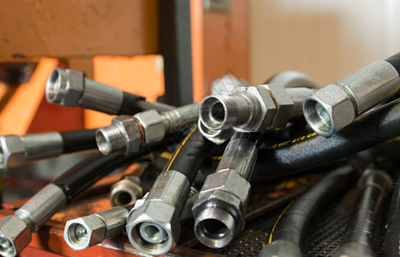
A valve can look like an oversized fitting because its functional element is hidden inside the body. Before identifying metric threads, determine whether the component blocks reverse flow, selects between two sources or performs another control function.
End connections attach the valve; they do not describe how it behaves.
Define the required one-way behavior
A check or non-return valve permits flow in one direction and restricts reverse flow. Designs can use balls, poppets, discs, springs, gravity or pilot features. Not every check valve is spring-loaded.
Record flow direction, required cracking pressure, forward flow and acceptable pressure drop. The arrow on the body normally marks permitted flow, but confirm it against the circuit drawing before replacement.
Back pressure, orientation and pulsation can affect some designs. A valve selected only by port size may chatter, open too early or restrict the actuator.
Specify leakage rather than asking for “zero”
Metal seats can permit a defined leakage rate, while resilient seats may provide tighter shutoff under specified conditions. No elastomer guarantees zero leakage for every gas or hazardous chemical.
Select seat and seal material from media, temperature, pressure differential and required leakage class. Verify external stem or body seals separately from the internal checking seat.
Identify both DIN or BSPP ends
Metric 24-degree tube ends may connect cutting-ring tube assemblies or O-ring cone hose swivels. BSPP ends can seal through a cone, washer, O-ring or another port form.
Write inlet and outlet connections independently with tube OD, series, thread, seat and seal. A body with the correct threads can still reverse the intended valve direction.
Distinguish a shuttle valve from a check valve
A shuttle or alternating valve commonly has two inlets and one outlet. Pressure moves an internal ball or shuttle to isolate one inlet while connecting the other to the outlet. It selects a source rather than simply allowing one-way flow in a single line.
Port roles, minimum pressure differential and seat design must match the circuit. Do not connect a tube end that prevents the required shoulder or cone contact inside the valve port.
Inspect and commission the replacement
Keep debris out of the open valve. Confirm body marking, port roles, seal materials and pressure/temperature rating, then support the connected tube so it does not load the small body.
Test forward operation, reverse isolation or source selection through the equipment procedure. Record pressure drop and leakage where the application requires it.
The useful specification combines valve function with complete end forms. “DIN check valve” identifies neither one adequately.