
DIN German Threads: Metric Hydraulic Connection Basics
HGW Hydraulics on Feb 22nd 2022
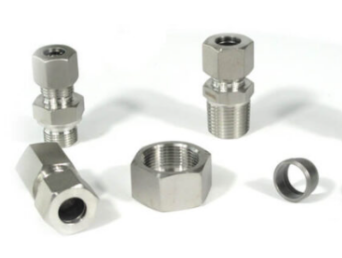
DIN German hydraulic connections are among the most common metric fitting styles used globally. When a maintenance team refers to a hydraulic fitting as metric, the connection is often a DIN style.
DIN metric and BSPP thread styles are common in Europe, and DIN connections are used across industrial, oil and gas, construction, hydraulic, and pneumatic equipment.
DIN 2353 and the 24 Degree Connection
DIN 2353 24 degree fittings are common tube fitting connections. DIN-type tube fittings follow standards such as ISO 8434-1, DIN 2353, and DIN EN 3851, which support interchangeability when the correct size and series are matched.
The connection typically uses a fitting body, cutting ring or ferrule, and nut. The ferrule grips the tube while the 24 degree geometry supports the seal.
Metric Size Range and Materials
DIN metric sizes commonly range from small tube sizes up through larger metric sizes used in industrial systems. Carbon steel and stainless steel are common body materials.
For extreme environments, stainless steel such as 316Ti may be selected for temperature resistance, corrosion resistance, salt exposure, acidic conditions, or service near weld seams.
Connection Types in DIN Systems
DIN fittings appear as tube-to-tube connections, tube-to-female port connections, and tube-to-male thread connections. They are also found around banjo and swivel couplings, check valves, non-return valves, alternating valves, and other hydraulic components.
DIN flanges may also be encountered in SAE Code 61 or Code 62 style applications, so a technician should separate tube fitting identification from flange identification.
Why Identification Still Matters
Metric does not mean every metric-looking fitting is DIN. Japanese, French GAZ, Komatsu, BSPP, and other international connections can appear in the same equipment fleet.
To identify a DIN German connection, confirm tube size, thread pitch, series, sealing angle, ferrule type, material, and the mating port or tube connection.
Replacement Checks
Before replacing a DIN hydraulic fitting, record the tube outside diameter, fitting series, thread size, port standard, material, and environmental exposure. Stainless may be worth using where corrosion or long service life is more important than lowest initial cost.
A correct DIN replacement should match the standard, dimensions, and sealing geometry, not simply the general metric label.