
Use EPDM Only with Fluids Confirmed by Compatibility Data
HGW Hydraulics on Feb 4th 2025
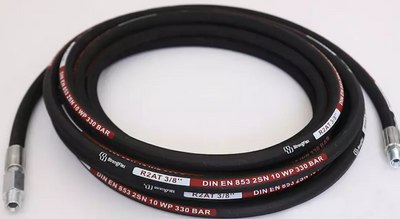
EPDM elastomers are generally unsuitable for petroleum-based hydraulic oils because hydrocarbon exposure can cause swelling, softening and loss of mechanical properties. That is a material-compatibility failure, not a fitting-tightness problem.
The final decision still requires data for the exact EPDM compound and fluid formulation rather than a rule based only on color or trade name.
Match the complete fluid, not one ingredient
Identify base oil, additives, water content and any cleaning or flushing fluid. Mineral oil, synthetic hydrocarbon, phosphate-ester and water-glycol fluids can interact with elastomers differently.
EPDM is often used with hot water, steam, weather exposure and selected glycol or phosphate-ester systems when the specific compound is approved. It should not be called a universal “water-based hose” material.
Recognize compatibility damage
Incompatible oil can enter the elastomer and change its volume, hardness and strength. A hose tube or seal may swell, soften, blister, extrude or separate from adjacent reinforcement.
The outside can remain deceptively normal early in exposure. If wrong-fluid contact is confirmed, follow the equipment and hose manufacturer's replacement and flushing guidance rather than retightening the fitting.
Select an oil-service compound through product data
NBR and HNBR are common candidates for petroleum-oil service, but their low-temperature, heat, ozone and additive resistance differ by formulation. Other elastomers or thermoplastics may be required for fire-resistant, biodegradable or high-temperature fluids.
Use a compatibility table or test that represents the exact fluid, concentration, temperature and exposure time. Check changes in volume, hardness and tensile properties where the application requires evidence.
Rate the complete hose or seal system
Elastomer compatibility does not establish working pressure. Hose reinforcement, tube and cover adhesion, coupling system, bend radius and temperature determine the assembly rating.
For an O-ring, groove, squeeze, pressure, gap and backup arrangement matter. A compatible material in the wrong cross-section can still leak or extrude.
Preserve fluid identity during maintenance
Label reservoirs, replacement assemblies and seal kits so an approved water-glycol or phosphate-ester system is not topped with petroleum oil. Clean transfer equipment and avoid unverified mixing.
When purchasing, state the exact fluid and temperature instead of asking only for an “EPDM hose” or “oil-resistant seal.” The right elastomer is the one supported by compatibility and finished-component data for that circuit.