
Maintain a Hose Crimper through Cleanliness, Lubrication, and Calibration
HGW Hydraulics on Dec 25th 2025
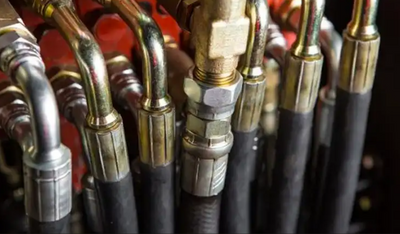
A hose crimper does more than move dies. It must repeatedly produce the specified finished diameter or other acceptance condition for a qualified hose-and-coupling system. Maintenance should therefore protect both machine life and assembly accuracy.
Lubrication is one control, not a universal product recommendation.
Follow the machine's lubrication map
Identify slide surfaces, master dies, pins, bearings or other points that the equipment manufacturer specifies. Use the lubricant type, quantity and interval from the manual.
A lightweight oil may suit one design, while another requires grease or a proprietary fluid at particular locations. Do not replace it because a general crimp oil claims extreme-pressure or clean-film properties.
Keep lubricant away from hose, coupling grip surfaces and any area where it would alter retention unless the assembly instruction specifically calls for it.
Remove contamination before adding lubricant
Rubber particles, metal chips, dust and old lubricant can become abrasive at high-load sliding surfaces. Clean with approved methods and inspect before relubricating.
Heavy residue is a problem when it traps dirt, but changing to a lighter product without verifying film strength and compatibility can accelerate wear. Control both lubricant and shop cleanliness.
Inspect dies and locating components
Look for chipped or worn die segments, corrosion, uneven contact, damaged retention features and foreign material. Confirm the correct die set and tooling for the hose/coupling specification.
A crimper can close smoothly and still produce a bad assembly if dies are mixed, worn or mislocated. Quarantine questionable tooling until its dimensions and identity are verified.
Check calibration and repeatability
Use the manufacturer or quality procedure to verify machine setting, indicated diameter and actual crimp results. Measure with calibrated tools at the specified locations and number of positions.
Trend adjustments and completed values. Drift, asymmetry, unusual noise, heat or increasing effort can reveal a maintenance problem before a coupling is released.
Document maintenance with production
Record cleaning, lubrication, repairs, calibration checks, die inspections and operator observations. Link affected dates or machine states to hose-assembly records when traceability is required.
After maintenance, produce and inspect the required verification sample before normal work resumes. Do not extend service intervals or promise longer machine life without equipment data.
The correct lubricant reduces friction at approved points. A reliable crimping program also keeps the machine clean, the dies identified and the finished assemblies measurable.