
Pipe Flange Alignment for Bolting and Welding: Tool Selection and Safe Setup
HGW Hydraulics on Nov 17th 2021
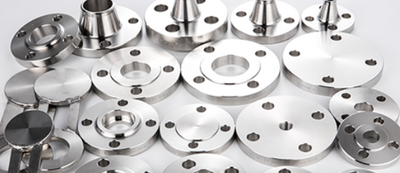
Pipe flange alignment is completed before bolts or welds are asked to hold the joint in position. If a gasketed connection has to be pulled together by uneven bolt force, the pipe system is storing stress in the flange, fasteners, gasket, welds, and connected equipment. The joint may look assembled and still be more vulnerable to leakage, vibration damage, or bolt fatigue after startup.
The right alignment method depends on the job. Reassembling two existing flanges calls for different tools than positioning a new flange on a pipe before welding. Tool capacity, available bolt holes, pipe diameter, flange type, access, and the amount and direction of misalignment all need to be established before force is applied.
First determine why the flanges no longer meet
Misalignment can come from an incorrect original installation, pipe support movement, thermal expansion, equipment nozzle movement, vibration, corrosion, damaged pipework, or a joint springing out of position when the bolts are removed. A tool can move the flange faces, but it cannot by itself correct a failed support, distorted spool, overloaded pump nozzle, or permanently bent pipe.
Before work begins, the line should be isolated, depressurized, drained or purged as required, and verified safe for the contained fluid and temperature. Connected equipment must be protected from unintended load. The maintenance plan should define acceptable flange-face offset, angular misalignment, bolt-hole position, and tool capacity.
Inspect the faces, gasket seating surfaces, bolt holes, bolts, nuts, welds, and nearby supports. Alignment is not a substitute for replacing a cracked flange, corroded fastener, damaged gasket surface, or compromised weld.
Existing bolted joints: use the bolt pattern without using bolts as pry bars
Two common approaches use the available flange geometry to bring an existing joint into position.
Tapered alignment pins for small positional corrections
Alignment pins have a tapered working section sized for the bolt holes. With the flange holes already reasonably close, pins can be placed in opposing locations and rotated or advanced in a controlled way. The taper shifts the hole pattern while maintaining support for the joint.
Once the open holes accept the correct bolts, the fasteners are installed according to the assembly procedure. The pins are then withdrawn and replaced by the remaining bolts. The tool should not damage the hole wall or be struck into a joint that is far outside its allowable alignment.
Pins are useful for modest lateral or rotational correction. They are not the right choice when large force is required, the holes are damaged, the flange faces are widely separated, or pipe strain is driving the joint apart.
External alignment tools for larger offset
An external flange tool attaches at or near the greatest point of misalignment and reacts against the flange circumference or adjacent structure. Mechanical screw-driven tools serve many smaller jobs; higher-capacity mechanical or hydraulic tools are available for larger flanges and greater force.
A typical setup secures the tool to the flange or pipe, brings the actuator into controlled contact, and moves the joint while the technician monitors face position and bolt-hole alignment. Capacity must come from the tool manufacturer. The force required should be evaluated against the pipe supports, connected equipment, and the possibility that the misalignment is a symptom of a larger structural problem.
External tools are valuable in tight process-plant maintenance where there is no straight path for a long pin. They also allow gradual movement rather than shock loading from a hammer. The tool should be restrained as instructed so it cannot slip or release stored energy toward the worker.
New or replacement flanges: align the bore before welding
When a flange is being attached to a new pipe or replacement spool, the goal is not only to align bolt holes. The flange face must be square to the pipe axis, the bolt pattern must have the required orientation, and the internal bores should be positioned for the intended flow path and weld geometry.
Level-type flange aligners establish orientation
A pipe flange aligner commonly uses two pins that enter flange holes and one or more levels to indicate horizontal and vertical position. The tool lets the fabricator rotate and level the flange before tack welding.
After the first tacks, alignment should be checked again. Welding heat and tack sequence can move the flange. A final verification before completing the weld reduces the chance of producing a spool that reaches the site with a rotated bolt pattern or an angled face.
This method is especially useful when the pipe is already located and the flange orientation must match a valve, pump, or mating spool. It does not center the flange bore by itself unless the particular tool is designed to do so.
Internal expanding clamps center flange and pipe IDs
Internal flange clamps enter the pipe and expand against its inside diameter. A second expanding section centers the flange bore to the pipe bore and holds the parts for tack welding. These tools are often used with weld-neck or slip-on flanges in sizes covered by the clamp design.
Internal alignment helps control bore mismatch, which is important for fit-up and flow continuity. The pipe and flange IDs still need to be within the tool range and acceptable fabrication tolerance. The clamp must be removed at the correct stage of the welding procedure and kept clear of heat or spatter beyond its rating.
Two application scenarios require different checks
During a process-plant outage, a previously bolted valve flange may spring sideways after disassembly. The technician should first confirm that supports and connected piping are stable. Pins or an external tool may then bring the existing bolt pattern into tolerance. Gasket condition, flange-face finish, fasteners, and final tightening sequence remain separate acceptance items.
In a fabrication shop, a new flange on a replacement spool needs bore centering and bolt-hole orientation before it ever reaches the plant. An internal clamp can control the pipe-to-flange ID, while a level aligner establishes rotation. Tack sequence and post-weld dimensional inspection protect that work from heat distortion.
Using one procedure for both situations creates avoidable risk. Bolted-joint tools manage existing pipe position; welding aligners establish new geometry.
Never use final bolts to force unacceptable alignment
Drawing flanges together by over-tightening selected bolts can bend fasteners, damage threads, unevenly compress the gasket, and place sustained load on the pipe and equipment nozzles. Hammering can shock the flange and crack an existing weld. The fact that bolts can be inserted does not prove that the faces are parallel or that pipe strain is acceptable.
After alignment, verify face gap and parallelism, bolt-hole position, gasket specification, fastener condition, lubrication requirements, tightening pattern, and final torque or tension procedure. For welded work, verify bore alignment, flange orientation, weld procedure, distortion, and required examination.
Alignment is a system condition, not only a tool operation
Tapered pins, external mechanical or hydraulic tools, level aligners, and internal clamps each solve a different part of flange work. Good results come from selecting the tool after the cause and direction of misalignment are understood. When the pipe supports, flange faces, gasket, bolts, welds, and connected equipment are checked together, alignment reduces stored stress instead of merely hiding it inside a completed joint.