
Deciding Between a Hydraulic Oil Change, Filter Service, and Full-System Flush
HGW Hydraulics on May 13th 2025
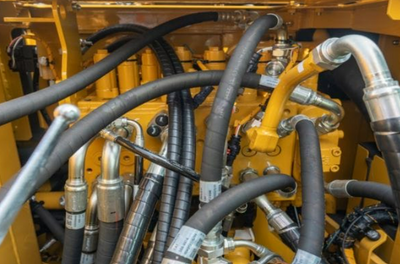
Hydraulic oil should not be replaced only because a calendar date arrived or its color looks darker. It also should not remain in service after analysis shows loss of useful properties or contamination beyond the system’s control. A condition-based decision considers fluid chemistry, particles, water, temperature history, equipment condition, and the failure event.
The required action may be filter service, dehydration, partial drain and refill, complete oil change, or a controlled system flush. Those actions are not interchangeable.
Establish a clean baseline and sampling method
Use the equipment and fluid supplier’s requirements for oil type, viscosity grade, cleanliness, and sampling interval. Take samples from a representative live zone using clean hardware and consistent machine conditions. A bottle dipped into the reservoir top can miss settled water or active debris.
Trend viscosity, particle count, water, acidity or oxidation indicators, additive condition, spectroscopy, varnish potential, and other tests appropriate to the fluid. One result without history can show a problem, but trends reveal the rate and source.
Visual color and odor are screening clues, not a replacement for analysis. Different fluids and additives naturally change appearance.
Heat accelerates degradation but needs a root cause
High temperature can promote oxidation, additive depletion, viscosity loss, varnish, sludge, and seal damage. Investigate relief flow, internal leakage, clogged coolers, low fluid level, wrong viscosity, duty cycle, and ambient heat before changing oil.
New oil will degrade again if the system continues converting excessive power into heat. Use manufacturer temperature and viscosity limits rather than one universal cutoff.
Contamination may require removal without full replacement
Particles can enter through dirty maintenance, failed breathers, wear, and damaged seals. If fluid chemistry remains good, filtration or an offline kidney loop may restore cleanliness. The filter rating, dirt capacity, pressure drop, and component sensitivity determine the plan.
Water can enter through condensation, washdown, coolers, or seals. Free, emulsified, and dissolved water may require settling, vacuum dehydration, absorbent media, repair of the entry path, or oil replacement depending on fluid and equipment.
Mixing the wrong fluid can change viscosity, additive compatibility, seal behavior, and fire or environmental performance. Stop and obtain a fluid-specific remediation plan rather than assuming dilution is safe.
A change drains oil; a flush cleans the circuit
An oil change removes accessible fluid from the reservoir and drain points, replaces filters as specified, and refills with approved clean oil. Significant old oil can remain in cylinders, motors, accumulators, hoses, coolers, and low points.
A flush circulates an approved fluid or uses a controlled cleaning process to remove incompatible oil, debris, water, varnish, or failure residue from more of the system. It requires planned flow paths, temperature, velocity, temporary filtration, component isolation, sampling, and disposal.
Flushing every new or maintained machine automatically is not always appropriate. New builds, major component failures, long storage, incompatible-fluid events, severe contamination, or degraded deposits may justify it when the manufacturer procedure supports the action.
Component failure changes the cleanliness target
A failed pump or motor can distribute metal throughout the circuit. Replacing the part and reservoir oil without cleaning manifolds, coolers, hoses, valves, and filters can damage the replacement. Inspect filter debris and identify how far contamination traveled.
Some components cannot tolerate high-velocity flush flow or cleaning chemistry and may need to be bypassed or cleaned separately. Protect accumulators and stored energy under approved procedures.
Verify the work before returning to routine intervals
Use clean transfer containers and filtered fill equipment. Cap open ports, replace or inspect filters, clean the reservoir as required, and prevent cross-contamination between fluid types. Bleed air and start the system under the equipment procedure.
After circulation, sample again and confirm viscosity, cleanliness, water, and other acceptance criteria. Record oil brand and batch, quantity, filters, flush method, samples, repairs, and root cause.
The right hydraulic fluid decision preserves usable oil when analysis supports it and removes contaminated or degraded oil when risk requires it. More important, it corrects the heat, ingress, wear, or mixing event that made the fluid unacceptable.