
Calculate Hydraulic Leak Cost from Measured Loss and Root Cause
HGW Hydraulics on Mar 31st 2022
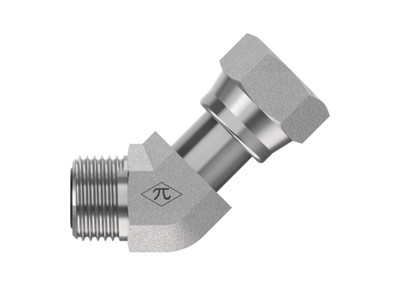
A hydraulic leak costs more than the replacement fitting. Fluid loss, cleanup, disposal, labor, lost production, contaminated product and secondary component damage can all exceed the price of the visible wet part.
Published drop-per-minute examples are poor budgets because drop size, operating time and oil price vary. Measure the real loss and its consequences.
Build the cost from operating data
Where it can be done safely, estimate leakage with a controlled collection method while remaining outside any high-pressure spray hazard. Record volume over time, system operating hours and the conditions under which leakage occurs.
Annual fluid cost can be estimated as measured volume per operating hour multiplied by expected operating hours and delivered fluid cost. Add labor for inspection, repair and cleanup; absorbent and disposal costs; replenishment filtration; downtime; and any damaged components or product.
Do not continue operating a hazardous leak merely to improve the measurement. Safety and environmental response come first.
Separate the wet location from the cause
Fluid around a fitting can originate from an adjacent hose crimp, tube crack, swivel, port or seal and travel along the surface. Clean the area under the approved procedure and trace the first wet point after safe restart.
After depressurization, inspect alignment, seat or face damage, O-ring condition, threads, hose route and support. Retightening the nearest nut can damage a connection that was not the source.
Use evidence instead of universal percentages
Installation, routing, system design, component defects, wear and misuse can all contribute to leakage. A fixed percentage breakdown copied from another operation does not diagnose this machine.
Classify each event by confirmed failure mechanism and review local trends. Repeated face-seal damage may indicate contamination or misalignment; repeated hose-end leaks may point to component compatibility or crimp control; repeated port damage may reflect adapter loading.
Understand what ORFS can improve
ORFS places an elastomeric seal between flat faces and can be effective where vibration and repeated hydraulic service make leak control important. It still requires the correct size, face condition, O-ring material, pressure and temperature capability, alignment and tightening method.
Changing every joint to ORFS is not an automatic solution. Conversion adds adapters and may change routing or port loads. Use it when the complete connection is suitable and the design change is documented.
Close the corrective loop
Record equipment, connection location, measured loss, operating state, failure evidence, parts removed and correction. Verify the repaired circuit under its approved test and inspect again after representative operation.
For recurring U.S. maintenance, stock the approved common seals and connection sizes while keeping lower-frequency configurations in a controlled replenishment plan. Accurate drawings and lot identity shorten future diagnosis without inventing delivery promises.
The best leak-cost estimate is tied to a decision: eliminate the root cause, verify the repair and prevent the same loss from returning.