
Prevent Hydraulic Leaks by Following Energy, Oil, and Load Paths
HGW Hydraulics on Feb 18th 2026
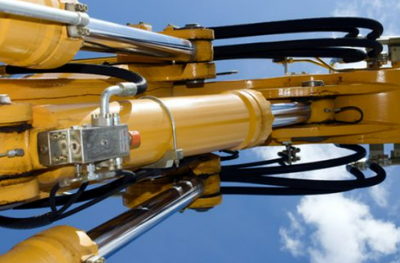
A hydraulic leak is usually the visible end of a longer change in the system. Contamination may damage a valve and raise heat; heat may harden a seal; a misrouted hose may pull on the fitting where oil finally appears. Inspection is more useful when it follows those relationships instead of treating every checklist item as isolated.
Establish a safe and clean inspection state
Use the machine-specific energy-control procedure before touching components. A stopped pump can leave pressure in accumulators, elevated loads, cylinders, reservoirs and blocked line sections. Never search for a pinhole leak with a hand.
Clean existing residue so new seepage can be distinguished from an old spill. Record operating mode, temperature and load because intermittent leaks may appear only during a particular cycle.
Read the oil and filter evidence together
Sample fluid from a representative point under the documented method. Trend cleanliness, water, viscosity and wear indicators appropriate to the machine. Color or odor can prompt investigation but cannot identify the cause by itself.
Review filter differential and bypass indicators, not only replacement date. A restricted element may indicate a contamination event or active wear. Changing it without locating the source can let the problem repeat.
Trace every conductor through its motion
Inspect hoses, tubes and pipes from port to port. Look for abrasion, crushing, kinks, twist, exposed reinforcement, corrosion, loose clamps and a bend beginning too close to an end connection. Move articulated equipment through the safe inspection positions defined by the manufacturer.
At fittings, identify where the connection is designed to seal. Wet straight threads on a JIC or ORFS joint do not mean the thread is the leak source. Inspect the flare, face, O-ring, boss, ferrule or pipe-thread interface as applicable.
Examine actuators and the loads they transmit
A scored, corroded or contaminated cylinder rod can damage its seal and carry debris into the system. Check rod alignment, wiper condition and side loading. Actuator drift may result from internal leakage rather than an external fitting problem.
Supports and machine structure matter as well. A shifting component can place bending force into tubing or an adapter and create repeated connection failures.
Keep reservoir air and fill practices controlled
Low level can promote aeration, while an obstructed or damaged breather changes how the reservoir exchanges air. Inspect fill screens, caps, desiccant or other breather elements and seals under the equipment plan. Prevent open buckets, dirty funnels and uncapped hoses from bypassing filtration.
Look for foam, water, sediment or unusual deposits when safe access is authorized. Diagnose the entry path before refilling or changing oil.
Treat heat and noise as diagnostic signals
Compare temperature at similar ambient, load and cycle conditions. Rising heat may come from relief flow, restriction, cooler performance, internal leakage or fluid condition. New pump noise can indicate aeration, cavitation or mechanical wear, but each requires confirmation.
Close every finding with a cause and verification
Record component identity, location, symptom and measurements. Replace damaged seals, hoses or fittings with verified parts under a controlled shutdown, then correct routing, contamination, alignment or pressure behavior that caused the damage.
Return the machine to service progressively from a safe position and confirm that the leak and its upstream indicators are resolved. This evidence-based loop prevents more leakage than a one-time count of fourteen maintenance checks.