
Identify Metric Hydraulic Connections by Seat, Series, and Port Seal
HGW Hydraulics on Oct 27th 2021
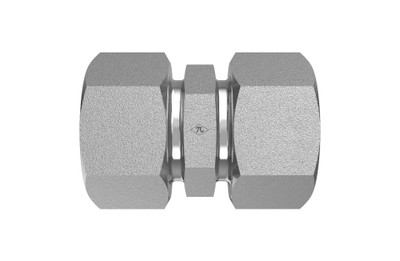
Metric thread diameter and pitch do not identify a hydraulic fitting by themselves. DIN/ISO tube fittings, JIS hose adapters, Komatsu equipment connections, metric O-ring ports, and French or other regional designs can use similar threads with different seats and seals.
Identification should record the thread, tube or hose size, sealing surface, series, and OEM context without treating all “metric” parts as interchangeable.
DIN/ISO 24-degree fittings need tube-series evidence
DIN 2353 and related ISO 8434-1 tube fittings use a 24-degree cone and metric threads in defined light, heavy, or other series. A cutting ring, elastomeric seal, or other design grips and seals the tube according to the product system.
Record tube outside diameter, thread diameter and pitch, series, cone, nut, ring, material, and assembly method. Two parts with the same metric thread can belong to different tube sizes or series.
Do not describe the connection as automatically O-ring-free or leak-free. Product design and tube preparation control the seal.
JIS includes more than one seat and thread family
Japanese Industrial Standards connections can use BSPP-based threads with a 30-degree seat, metric threads with a 30-degree or 60-degree seat, and defined port arrangements. Equipment manufacturer practice adds context but does not replace the standard.
Gauge seat angle and identify BSP versus metric thread. A JIS 30-degree flare should not be connected to JIC 37-degree or an unrelated BSPP cone because the threads appear compatible.
The labels “JIS metric” and “Japanese fitting” are incomplete without the exact standard or drawing.
Komatsu connections require model and drawing confirmation
Komatsu equipment may use metric threads with a 30-degree cone/seat or other proprietary/OEM-specific arrangements depending on model and location. The source mixes 30-degree and 60-degree descriptions, showing why a brand label is not enough.
Record machine model, serial range, function, port, hose end, thread, pitch, seat, O-ring or washer, and verified part number. Do not assume an OEM connection is technically superior or unique in every circuit.
Metric ports can seal at an O-ring, washer, cone, or taper
ISO 6149 ports use metric straight threads with an O-ring seal in a defined port geometry. Other metric straight-thread ports may use bonded washers or sealing faces. Metric tapered threads rely on controlled engagement and sealant where specified.
Adjustable elbows need the correct locknut, backup, and orientation procedure. A straight metric thread inserted into the wrong port can bottom before the seal is compressed.
Measure in a fixed order
1. Determine whether the thread is parallel or tapered. 2. Measure male major diameter at intact threads. 3. Use a metric pitch gauge and record millimeters per thread. 4. Gauge seat or cone angle. 5. Record tube OD, hose size, seal type, and body geometry. 6. Match all values to the current standard, drawing, or verified chart.
An M18 × 1.5 description gives nominal diameter and pitch but not the sealing method. Do not substitute a part based on that notation alone.
Treat global availability as a supply-control issue
Metric measurement is widely used, but it does not make different metric fitting systems more interchangeable than inch-based systems. Precision comes from controlled tolerances and standards, not decimal units by themselves.
For mixed fleets, stock common verified configurations and separate DIN/ISO, JIS, Komatsu, BSP, and other near-matches. Link drawings and machine application to the internal item number. Low-frequency sizes can remain controlled-order parts with known replenishment lead time.
Verify a replacement on both sides of the adapter
Many metric adapters convert to JIC, ORFS, ORB, BSP, NPT, or hose ends. Identify the non-metric side with the same rigor. A correct M22 × 1.5 stud can still be attached to the wrong 37-degree, 30-degree, 24-degree, or flat-face connection.
Check body orientation, internal bore, seal material, pressure-temperature rating, finish, and wrench clearance. Adjustable studs need the correct locknut procedure; fixed studs should not be backed out to aim an elbow.
After controlled installation, verify leakage and routing at operating temperature and motion. Save the confirmed machine position and part revision so the next repair does not restart from calipers and guesswork.
Metric connection identification is a geometry exercise. Seat angle, tube series, port seal, thread, and equipment evidence together reveal the correct fitting; regional name alone does not.