
Protect ORFS Performance by Controlling the O-Ring and Flat Face
Jul 2nd 2026
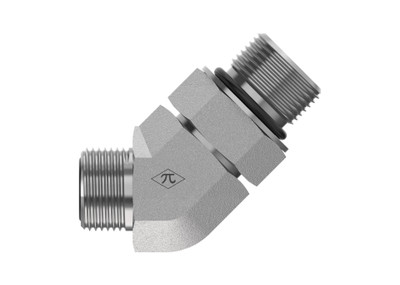
ORFS fittings place the primary seal at two mating faces, where an O-ring is compressed in a controlled groove. This architecture separates sealing from the straight retaining thread, but it also makes seal handling and face condition decisive.
Do not calculate the thread diameter from the dash number
ORFS dash designations commonly relate to nominal tube or hose size in sixteenths of an inch. They are not a universal statement that the male thread outside diameter equals the dash fraction. The connection table supplies the actual unified thread size and pitch.
Measure the thread and confirm the ORFS face form, dash size and mating tube or hose end. A straight thread that starts is insufficient evidence because other connection families can share similar diameters.
Keep the sealing band clean and flat
Inspect the groove for nicks and the opposite face for radial scratches, dents or corrosion. Particles trapped between faces can cut the O-ring or prevent even compression. Cap opened connections rather than wiping them with a contaminated rag.
Bring the conductors into natural alignment. Using the nut to pull a hose sideways can cock the faces and keep external load on the assembly after tightening.
Retain the O-ring only by an approved method
Vertical or inverted assembly can let a loose seal fall from its groove. Confirm the exact O-ring size and place it without twist or excessive stretch. If the product procedure specifies a compatible lubricant or retention aid, use only that material and amount.
Do not add an adhesive because it is convenient. It can contaminate the fluid, attack the elastomer, alter compression or make inspection impossible. A missing seal must be replaced, not compensated for with torque.
Treat temperature and fluid as seal limits
High or low temperature changes elastomer stiffness and compression behavior. Chemical incompatibility can swell, shrink, harden or soften the seal. Identify the hydraulic fluid, additives, cleaning exposure and operating range before selecting compound.
Gas service, fire-resistant fluids and other specialty media require application approval beyond the ORFS geometry. Do not infer suitability from a broad statement that face seals work well for gas or low temperature.
Inspect before a permitted remake
After safe depressurization and separation, replace the O-ring when the maintenance procedure requires it. Check threads, groove, flat face and connected conductor. A damaged body or tube-end face may make the assembly unusable even with a new seal.
Follow the specified tightening method for the material and size, then test from a protected position. ORFS is serviceable because its seal is accessible; that benefit depends on refusing shortcuts in sizing, retention and face inspection.