
Specify an ORFS Connection as a Face, Seal, Tube End, and Thread System
HGW Hydraulics on Mar 24th 2026
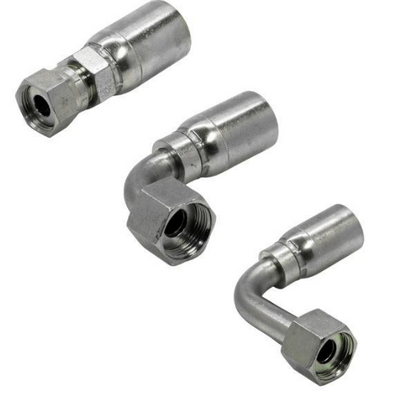
An O-ring face-seal connection contains pressure where a captured elastomer meets a flat mating face. The straight thread supplies clamp load. Treating ORFS as a complete set of face, groove, seal, tube or hose end and nut prevents thread size from becoming the only purchasing check.
Inspect the two faces before reading the thread
One side contains a controlled O-ring groove; the other presents a flat annular face. Both must be clean and free of scratches, dents and corrosion in the sealing band. The O-ring should sit in the groove without twist, cuts, excessive stretch or contamination.
The thread does not seal along its flanks. Tape or pipe-thread compound on the straight thread can contaminate the face and changes assembly friction without repairing a damaged groove.
Build the tube end by an approved route
Tube-side ORFS assemblies may use a formed end, brazed sleeve or another qualified termination. The sleeve supports the face and allows the nut to clamp the joint without twisting the tube. Material, tube outside diameter, wall, preparation and joining process must follow that system’s procedure.
Silver-brazing is not a universal field instruction. Joint clearance, alloy, flux, cleanliness, heat control and inspection need an approved process. Hose-end versions require their specified hose and crimp data instead.
Use ratings from the exact product configuration
SAE J1453 is associated with ORFS connection geometry, but a standard name does not assign every size a 6,000 psi working pressure. Size, material, design, temperature, tube or hose and manufacturer qualification determine the limit.
Check proof, burst and impulse evidence where required, and use the lowest-rated element in the connected circuit. Vibration resistance also depends on routing and support; a face seal should not carry continuous hose side load.
Select the elastomer from actual fluid and temperature
Nitrile and fluoroelastomer compounds are common in hydraulic work, but compound name, hardness and formulation are product-specific. Fire-resistant, biodegradable, water-glycol or specialty fluids may require a different qualified seal.
Temperature affects compression, hardness and aging. Confirm the seal and fitting limits together rather than assuming a different O-ring extends the metal body rating.
Service the face without losing control of the seal
Depressurize and clean before separation. Protect the open ports, then examine face flatness, groove, threads and connected tube or hose. Replace a removed O-ring when required by the maintenance procedure with the exact size and compound.
Bring faces into alignment without using the nut to pull a stressed line into place. Tighten under the specified method and verify the connection during controlled return to service.
ORFS can provide reliable leakage control because the sealing location is accessible and defined. That advantage is preserved only when every face, seal and conductor detail belongs to the same rated assembly.