
Build a Hydraulic PM Program from Hazards, Failure Modes, and Trends
HGW Hydraulics on Dec 10th 2024
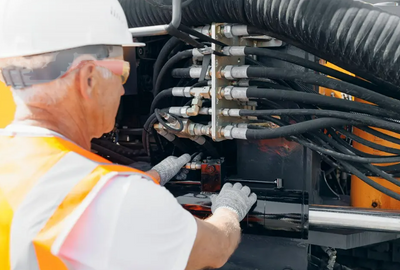
A useful hydraulic preventive-maintenance program is a set of machine-specific decisions, not a generic calendar. It connects safe access, known failure modes, fluid condition and inspection evidence to tasks that can be repeated and audited.
Start with the equipment instructions and operating environment, then adjust task intervals through documented condition trends rather than guesswork.
Define the safe maintenance state for each task
List every energy source that can affect the work location. Pumps may be off while accumulators, elevated attachments, cylinders, reservoirs or isolated sections retain pressure. The procedure should state how to shut down, support loads, isolate sources, dissipate energy and verify the result.
Opening a gauge port, changing a filter and replacing a hose may require different boundaries. Identify the lockout devices, valves, blocking equipment, instruments and personal protective equipment for each job. Technicians need the verification step, not only an instruction to “depressurize.”
Combine OEM intervals with actual duty
Collect maintenance requirements from the machine, pump, filter, accumulator, hose and fluid suppliers. Then consider dust, moisture, temperature, operating hours, load cycles, washdown, outdoor exposure and previous failures.
Calendar time may control some aging items, while operating hours, pressure cycles or condition indicators control others. Record which basis applies so a low-use standby machine is not treated exactly like continuously cycled production equipment.
Use sampling points to follow fluid condition
A properly located test point can support pressure measurement or representative fluid sampling without repeatedly breaking a primary connection. Sampling location, machine state, cleanliness of the equipment and laboratory method affect the value of the result.
Trend particle contamination, water, viscosity, wear debris and other properties required by the fluid program. One isolated number is less informative than a repeatable series tied to the same operating conditions. Filter indicators and differential-pressure readings should be recorded, not merely reset.
Inspect the failure paths that the machine actually has
Hose checks should cover cover damage, kinking, tension, bend radius, abrasion, heat exposure and end-condition changes. At fittings and ports, look for seepage, corrosion, movement, damaged supports and evidence of mismatched or disturbed connections.
Reservoir condition, aeration, unusual noise, hot spots, actuator drift and declining response can direct deeper inspection. Never use a hand to locate a pressurized leak.
Write task cards that another technician can repeat
Each task should name the machine and location, prerequisites, hazards, sequential actions, tools, acceptable limits, replacement parts, contamination controls and closeout test. Parts that require traceability should be recorded by the relevant lot, batch or serial information.
Include environmental handling for drained fluid, contaminated absorbents and removed components. Add an escalation rule for results outside limits so the finding becomes planned corrective work rather than an unchecked box.
Review the program after early failures, operating changes or fluid trends. Preventive maintenance controls cost and risk when it evolves from evidence while keeping its safety steps fixed and explicit.