
Use RTD Temperature Trends to Diagnose Hydraulic Heat Problems
HGW Hydraulics on Aug 5th 2026
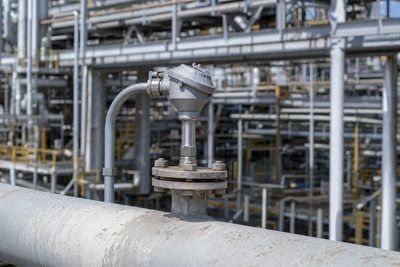
One temperature reading cannot explain why a hydraulic machine is running hot. A useful monitoring program establishes where the temperature is measured, what normal looks like at a known load and how the reading changes with pressure, ambient conditions and duty cycle.
Resistance temperature detectors, or RTDs, are well suited to that job because they can produce repeatable measurements for trending. The sensor does not replace inspection; it gives the maintenance team evidence for deciding where to inspect first.
Measure a condition the team can reproduce
An RTD contains a metal sensing element whose electrical resistance varies with temperature. Instrumentation interprets that resistance as a temperature value. The measuring current must stay within the sensor and transmitter requirements because excessive excitation can warm the element and bias the result.
Location matters as much as sensor selection. A reservoir reading, pump-case measurement and return-line reading describe different parts of the circuit. Record the sensor position, machine state, operating time and load so a later reading can be compared on the same basis.
Protect the probe, connection and wiring from vibration, impact, moisture, oil exposure and nearby heat sources. A stable display cannot correct a loose conductor or a sensor installed where it does not represent fluid condition.
Separate cold-start behavior from overheating
Low fluid temperature raises viscosity. During startup, thicker oil can increase pressure loss, slow response and make it harder for lubricant to reach small passages. Elastomer seals and hose materials may also lose flexibility when operated outside their approved range.
At elevated temperature, viscosity falls and the lubricating film can weaken. Heat also accelerates fluid aging, which may contribute to deposits and shortened oil life. Seals, hoses and other polymer components can deteriorate when their material limits are exceeded.
These effects do not identify a single universal alarm value. Acceptable temperature depends on the fluid, seal compounds, hose construction, equipment design and component manufacturers' published limits.
Diagnose the cause instead of treating the number
A rising trend should trigger a structured check. Compare temperature with pressure, cycle rate and ambient temperature. Then inspect reservoir level, cooler airflow or coolant flow, filter restriction, pump condition, valve settings and any unintended restriction in hoses or fittings.
The pattern helps narrow the search. A rapid increase during one machine function may point toward a loaded circuit or throttling condition. A gradual shift over weeks can justify checking contamination, cooler condition or wear. Cold-weather delay that disappears after warmup calls for a different investigation than temperature that continues climbing under steady work.
Never open a connection to investigate while stored energy or hot fluid remains in the system. Follow the equipment isolation and depressurization procedure before touching a probe, hose or fitting.
Turn RTD data into maintenance evidence
Use consistent checkpoints rather than collecting disconnected numbers. Log startup temperature, stabilized operating temperature, load, pressure and any maintenance action. A post-repair reading made under comparable conditions can show whether cleaning a cooler, correcting a setting or replacing a failed component changed the trend.
Temperature records also support replacement selection. When a hose, seal or fitting is specified, verify fluid compatibility and the full pressure-temperature envelope instead of choosing by thread or tube size alone.
An RTD becomes valuable when repeatable data leads to a safe inspection and a documented correction. Trending turns temperature from a warning on a display into one part of hydraulic fault diagnosis.