
Compare Stainless and Carbon Steel Adapter Life Without a Fixed Multiplier
Sep 1st 2022
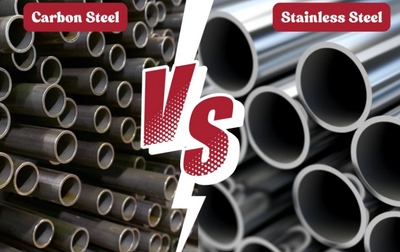
No defensible rule says that a stainless hydraulic adapter will always last a fixed number of times longer than a carbon-steel part. Service life changes with alloy, coating system, salt concentration, temperature, deposits, chemical exposure, installation damage, and maintenance. The useful comparison begins with the corrosion mechanism at the actual connection.
Carbon steel life depends on its surface system
Carbon-steel adapters can be economical and durable in dry, controlled equipment. Their external resistance often comes from zinc, zinc-nickel, phosphate, paint, or another specified finish. Once a coating is consumed or cut through, exposed steel can rust in the presence of moisture and oxygen.
Threads, wrench flats, sharp edges, and clamp contact points deserve attention because handling or rubbing can damage protection. Road salt, seawater spray, washdown chemicals, fertilizer, and standing water can accelerate attack. A coating description and finish specification are therefore more useful than the words “carbon steel” alone.
Stainless performance also has limits
Stainless steel forms a passive surface film and can provide a major advantage in many wet or corrosive locations. Grade matters: 316 is frequently selected where chloride resistance is important, but it can still experience pitting or crevice corrosion under deposits and in stagnant chloride solution. Stainless threads can also gall if assembly practices are unsuitable.
Internal fluid exposure may be different from the outside environment. A stainless body does not automatically make the O-ring, hose, plating on a mating part, or brazed joint compatible with the media. Dissimilar-metal contact in an electrolyte can introduce galvanic corrosion that was not present in a single-material test.
Compare alternatives at the finished-component level
Pressure capability is established by the completed fitting design, size, manufacturing process, seal, temperature, and qualification—not simply by alloy strength. Confirm the exact connection standard and documented rating for either material. Do not substitute stainless for coated steel if its geometry or mating seal differs.
For a recurring location, record time in service, corrosion pattern, cleaning method, environment, leak history, labor, downtime, and disposal. Stainless may justify a higher purchase price where repeated corrosion replacement is costly. Coated carbon steel may remain the better value in protected indoor service or where stock availability and controlled maintenance dominate.
The best material decision is specific enough to be audited: exact alloy or coating, connection and seal, exposure, rating, inspection interval, and approved alternative. That avoids both unsupported longevity promises and a low-price decision that ignores the cost of replacing the same corroded fitting again.