
Allocate Stainless and Coated Steel Fittings by Corrosion Zone
HGW Hydraulics on Jul 4th 2024
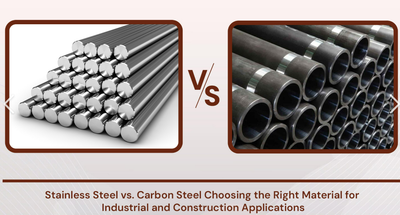
A machine does not experience one environment. A fitting under a closed hood may remain dry while another on the same circuit sees road salt, washdown, fertilizer, mine water, or marine spray. Mapping those corrosion zones allows stainless to be used where it solves a defined problem and coated carbon steel where it remains practical.
Divide the equipment by exposure
Mark continuous wetting, salt deposition, chemical splash, cleaning, condensation, UV, temperature cycling, drainage, crevices, and tool damage. Separate the internal fluid from the external surface. Record where leaks or rust actually occur and how long fittings remain wet.
Do not assume sunlight directly corrodes carbon steel. UV and heat can degrade some organic coatings or adjacent hose materials, while metallic plating responds differently. Identify the finish before assigning a mechanism.
Treat carbon steel and coating as one material system
Carbon-steel fittings can provide strength, broad availability, and favorable cost. Zinc, zinc-nickel, phosphate, paint, or another specified finish supplies external protection. Edges, threads, wrench marks, clamps, abrasion, and repeated assembly can expose the base metal.
Use the actual coating specification and corrosion requirement. Red rust, pitting, and attack on a sealing surface deserve different responses from superficial deposits on an undamaged finish.
Treat stainless as grade plus geometry
304 and 316-family stainless do not rely on an applied metallic coating in the same way. Their passive film can provide a major advantage in wet or corrosive zones. 316 often improves pitting resistance in many chloride environments, but crevices, warm deposits, and stagnant solution can still attack it.
Stainless threads may gall, and dissimilar-metal contact can create galvanic effects. Surface finish, cleaning, passivation where required, drainage, and seal-face design remain important. Stainless is not a no-maintenance category.
Verify component ratings independently from material
The fitting standard, size, body geometry, manufacturing process, seal, temperature, and test basis establish working pressure. Stainless does not automatically have a thinner wall or lower weight for the same marketed fitting, and carbon steel does not carry one universal pressure rating.
Confirm hose-end qualification, crimp system, thread or flange geometry, O-ring compound, and mating component. A corrosion-resistant wrong connection is still wrong.
Calculate cost by zone and failure evidence
Compare unit price, stocking, replenishment, installation, inspection, replacement labor, downtime, cleanup, and consequence of leakage. Avoid fixed claims that stainless costs three or four times more or always lasts a given multiple; size, grade, supplier, quantity, machining, and market conditions change.
A mixed material plan may keep coated steel in protected manifolds and use stainless at exposed hose ends or washdown stations. Review service results and adjust only the zones that justify it. This preserves inventory simplicity where possible without accepting repeat corrosion at the highest-risk connections.