
Choose Stainless or Carbon Steel Hose Ends from the Exposure Map
Oct 11th 2023
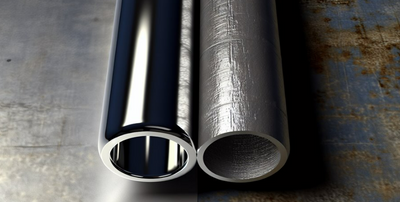
Stainless steel does not automatically last ten or twenty years, and carbon steel does not automatically need replacement after a short interval. Hose-end life depends on the alloy or coating, internal fluid, external exposure, deposits, temperature, installation damage, seal, hose movement, and inspection. An exposure map is more defensible than a material slogan.
Separate the bore environment from the outside surface
The bore contacts hydraulic fluid, coolant, fuel, chemical, water, gas, or another media. The exterior may see humidity, road salt, seawater spray, fertilizer, washdown chemicals, food residue, mine water, UV, or temperature cycling. One material has to survive both, or the design needs protective measures appropriate to each side.
Record concentration, temperature, cleaning frequency, drainage, deposits, and time wet. A fitting in a dry indoor power unit faces a different corrosion mechanism from the same connection under a snowplow, offshore deck, dairy washdown, or chemical skid.
Evaluate carbon steel as a coated system
Carbon steel provides useful strength and broad availability for hydraulic hose ends. External corrosion resistance commonly depends on zinc, zinc-nickel, phosphate, paint, or another controlled surface treatment. Specify the finish and any applicable restrictions rather than ordering bare “steel.”
Wrench damage, crimp handling, sharp edges, rubbing clamps, and cut threads can expose base metal. White or gray coating products and red-brown base-metal rust indicate different stages of attack. Internal fluid compatibility and hydrogen-related or embrittlement concerns, where applicable to a process, require responsible material and plating control.
Coated steel can be an effective choice in protected machinery and many mobile applications. Its suitability should come from component data and service history, not from a claim that it always fails in moisture.
Evaluate stainless by grade and local conditions
Stainless relies on a passive surface film. 316-family grades often provide better resistance than 304 in many chloride environments because of molybdenum, while still remaining vulnerable to pitting and crevice corrosion under unfavorable deposits, concentration, and temperature. Low-carbon 316L can be selected for fabrication reasons but is not a universal upgrade for every finished fitting.
Stainless may also gall during assembly, particularly with similar mating materials and unsuitable lubrication or torque. Carbon-steel particles embedded by tools can create surface rust. Dissimilar-metal contact in a conductive environment can shift corrosion to another component.
Food, pharmaceutical, or clean systems require more than an alloy name. Surface finish, cleanability, dead-leg control, seals, process approval, and documentation may govern. Do not claim sanitary or regulatory compliance without product-specific evidence.
Compare completed hose-end ratings
Alloy strength values do not establish the pressure rating of a crimped hose assembly. Hose construction, fitting geometry, stem and ferrule, size, manufacturing, temperature, crimp process, and qualification set the allowable service. A high-alloy component is not automatically suitable for a high-pressure circuit.
Confirm connection standard and seal material at the equipment end. ORFS, ORB, JIC, BSP, NPT, metric, and flange ends have different failure paths. Stainless cannot repair a wrong flare angle, damaged O-ring, mixed hose/fitting system, or port loaded by poor routing.
Use actual evidence for lifecycle cost
Compare unit price, assembly labor, inspection, stocking, replenishment, replacement labor, downtime, cleanup, and consequence of leakage. Then use observed life for the same environment or a documented corrosion test relevant to the requirement. Do not insert assumed two-year and ten-year lives, fixed payback, or invented downtime dollars into the decision.
Stainless may offer clear value where salt, chemicals, washdown, or access makes repeated corrosion expensive. Coated carbon steel can deliver the lower total cost in a controlled dry location. Mixed fleets may justify stainless at exposed hose ends and coated steel in protected compartments instead of one material everywhere.
Control installation and inspection by material
Store fittings dry and protect threads and sealing faces. Use clean, suitable tools for stainless where contamination matters. Follow approved lubrication or anti-galling practice and product-specific torque. Do not treat pipe-thread sealant as an external corrosion coating unless the system specification explicitly uses it that way.
Inspection interval should come from risk, environment, component guidance, and observed deterioration—not a universal schedule based on alloy. Look for coating loss, rust, staining, pitting, crevice attack, galling, seal-face damage, hose movement, and leakage. Isolate pressure before touching the connection.
Write the decision so purchasing can repeat it
Specify exact alloy or carbon-steel finish, hose and fitting family, connection, seal material, pressure and temperature, internal media, external exposure, documentation, and approved alternatives. Record why the material was chosen and what evidence will trigger review.
That avoids two expensive extremes: purchasing stainless where it solves no identified problem, or repeatedly installing coated steel where the coating cannot survive. The right hose-end material is the one whose documented material system addresses the mapped exposure while the complete assembly still meets its hydraulic duty.