
Apply the Assembly Method That Matches Each Hydraulic Seal
HGW Hydraulics on Apr 23rd 2026
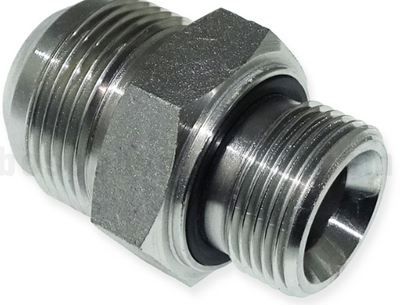
Tightening creates clamp load or thread engagement; it does not create the same kind of seal in every hydraulic connection. Some procedures use torque, others specify turns, flats, engagement or a gauged position. The method must match the connection, material, coating and assembly state.
Friction changes the meaning of torque
Only part of applied torque becomes useful clamp load. Thread finish, plating, lubricant, sealant, repeated use and surface damage change friction. A torque value transferred from dry carbon steel to lubricated stainless can produce a different load.
Use the product instructions for new versus remade connections and for any approved lubricant. Calibrate the tool where torque is the controlled variable. Do not add lubricant to a clean-service or oxygen-related system without authorization.
Control tapered pipe-thread engagement
NPT and related tapered pipe joints develop interference as male and female threads engage. An approved sealant normally closes the helical leak path and also affects friction. Under-engagement may leak; excessive engagement can expand or crack a female boss and permanently deform the threads.
Follow permitted hand-tight and wrench engagement or torque guidance for that component. Orientation requirements may need a designed adjustable adapter rather than backing off a tapered joint to point an elbow.
Seat a JIC flare without reshaping it
JIC seals at matching 37-degree metal cones. The nut pulls the faces together, but more torque cannot repair a scratch, wrong angle or forced tube alignment. Excess force can deform a tube flare or fitting seat and make later remakes less reliable.
Inspect and align first, then apply the specified torque or flats-from-wrench-resistance method. Hold the body with a backup wrench so the connected port is not twisted.
Compress an ORB seal at the port
An O-ring boss connection places an elastomer at a straight-thread port and spotface. Fixed and adjustable stud ends can have different installation procedures. Adjustable versions use a locknut and backup washer to retain orientation while controlling O-ring compression.
Lubricate only as specified, protect the seal while it crosses threads and seat the hardware without extrusion. Continuing to turn the adapter after orientation is established can cut the O-ring or damage the port.
Identify the BSPP sealing form
BSPP describes a parallel pipe thread, not one universal hydraulic seal. The joint may use a bonded washer, O-ring, captive seal, metal seat or other port form. Torque acts through that specific arrangement.
Confirm spotface, washer orientation and elastomer dimensions. Thread tape on BSPP retaining threads does not replace the intended seal.
Diagnose leakage before retightening
Isolate stored energy, then inspect thread identity, face, flare, seal and alignment. Marking the nut and body can show movement. If tightening history is unknown or parts are damaged, replace or evaluate them under the maintenance procedure rather than repeatedly adding wrench force.
Correct assembly is not “tight enough.” It is the specified method producing the intended load at an undamaged, compatible sealing surface.