
A Hydraulic Troubleshooting Record That Separates Symptoms from Causes
HGW Hydraulics on Nov 27th 2024
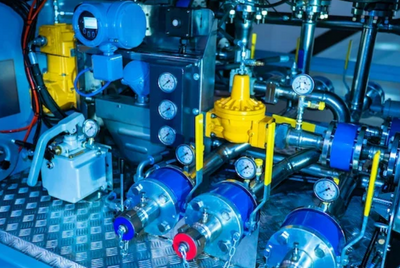
Hydraulic troubleshooting becomes expensive when a technician replaces the component nearest the symptom. Slow motion can come from load, low flow, internal leakage, a valve state, fluid viscosity, or a control signal. Heat can come from throttling, relief flow, leakage, or cooling loss. The visible part is not necessarily the cause.
A repeatable process separates observation, system logic, measurements, and corrective action. It also keeps people away from pressurized trial-and-error work.
Step 1: define one symptom under known conditions
Record what changed, when it occurs, and which functions remain normal. Include machine state, load, ambient and fluid temperature, commanded motion, cycle time, noise, pressure readings, alarms, and recent maintenance.
Replace vague statements such as “the hydraulics are weak” with measurable observations: one cylinder takes a specified time to extend under a known load after warmup, or pressure drops at a particular test point when a valve is commanded.
Confirm fluid level, visible contamination, active leaks, damaged hoses, loose electrical connectors, and obvious mechanical obstruction without placing anyone in a hazardous area.
Step 2: trace the energy path on the schematic
Follow flow from reservoir to pump, protection devices, control valves, actuator, return line, filters, cooler, and tank. Identify relief settings, load-holding valves, accumulators, pilot circuits, drains, sensors, and test ports.
Compare the schematic with the installed machine. Field modifications, wrong hose routing, plugged ports, and replacement valves can make the actual circuit differ. Mark which components could produce the defined symptom while leaving normal functions unaffected.
This functional boundary narrows the test plan. If several functions share a pump but only one fails, investigate the branch before condemning the common source.
Step 3: gather evidence with a safe test plan
Select rated gauges, flow meters, temperature instruments, electrical meters, contamination tests, or data logging appropriate to the suspected boundary. Verify test-point and instrument pressure ratings and protect personnel from hoses and fittings under load.
Use the manufacturer’s procedure for machine operation, blocking, lockout, stored-energy control, and connection of instruments. Never loosen a live fitting to “see if pressure is there” and never search for a pinhole with a hand.
Measure upstream and downstream conditions where a comparison can prove pressure loss, bypass flow, internal leakage, or heat generation. One isolated gauge number rarely explains the circuit.
Interpret patterns rather than single readings
Low actuator force with normal pump pressure can suggest a mechanical load issue, valve restriction, or leakage at the actuator branch. Low pressure at every function may point toward supply, relief, drive, or pump conditions. High temperature across a restriction indicates lost energy, while hot return flow can reveal continuous bypass.
Noise may indicate aeration, cavitation, mechanical damage, or resonance. Check inlet restriction, oil level, viscosity, leaks on suction plumbing, and operating conditions before replacing the pump.
Contamination can make a valve stick and can also be evidence of a failing component. Filter debris and oil analysis should be interpreted with maintenance history.
Correct the verified cause under zero energy
Once evidence isolates the fault, depressurize and lock out before repair. Restore the specified component, setting, hose route, seal, fluid condition, cooling function, or electrical connection. Avoid adjusting a relief valve simply to hide a load or leakage problem.
If a part is replaced, inspect the removed item and protect the open system from contamination. Record part identity and any setting so the repair can be audited.
Verify the repair against the original symptom
Repeat the same operating condition and measurements used to define the fault. Confirm not only that the symptom disappeared, but that pressure, temperature, flow, noise, and safety functions remain within equipment requirements.
Update the schematic and maintenance record if the installed system changed. A completed troubleshooting record should show symptom, conditions, hypothesis, test, evidence, cause, correction, and verification.
Hydraulic troubleshooting is most effective when it turns a complex machine into a series of testable boundaries. Facts and schematics reduce unnecessary parts replacement, while controlled energy procedures keep diagnosis from creating a second failure.