
Read DIN Fitting Names as Standards, Series, and Sealing Geometry
HGW Hydraulics on Jun 28th 2022
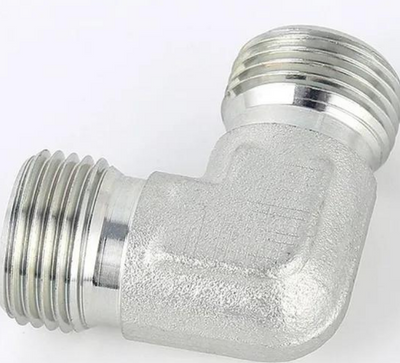
Germany’s national standards organization is abbreviated DIN. The letters refer to its German name, Deutsches Institut für Normung. DIN does not name one fitting. DIN-origin and harmonized EN/ISO documents cover different metric threads, 24-degree tube connections, cones, ports, valves, hose ends, materials, and test requirements.
Identify the exact connection standard
DIN 2353 is historically associated with metric 24-degree compression tube fittings, while ISO 8434-1 covers related metallic tube connections. Old DIN numbers, current EN/ISO adoptions, and manufacturer series can differ, so the controlled drawing should name the applicable edition.
Do not treat “DIN EN 3850” or every cited cone number as interchangeable without verification.
L and S series combine tube and thread dimensions
Light and heavy series use defined tube outside diameters, metric threads, nuts, and rings. Some systems also use a very-light series. Series name is not a standalone pressure rating; size, material, temperature, assembly, and product data control capability.
Measure tube OD, thread diameter and pitch, cone, and sealing element before ordering.
Materials need application evidence
Carbon steel with a qualified finish can suit many hydraulic environments. 316Ti stainless, other stainless grades, nickel alloys, or brass may suit selected corrosion, temperature, or fluid conditions. No material is ideal for all salt, acid, shock, or temperature service.
Salt-spray hours and coating classes are test results, not direct field-life promises. Confirm base material, finish, galvanic contact, O-rings, and cleaning.
Applications do not establish interchangeability
DIN connections appear in agriculture, construction, industrial machines, energy, marine, mining, rail, and material handling. The industry name does not identify the fitting. Record OEM, function, standard, series, tube, seal, and part revision.
DIN terminology becomes useful when it leads to exact geometry and a controlled assembly instruction—not when it is used as a generic synonym for every metric hydraulic thread.
Different DIN connection families need separate checks
Metric 24-degree bite-type tube ends, elastomerically sealed 24-degree ends, hose cones, banjo fittings, and metric port studs can share thread sizes while sealing differently. Valve functions such as check, shuttle, or directional control do not identify the end connection.
Record tube OD, thread and pitch, L/S series, cone, cutting ring or seal, adjustable/fixed body, and opposite end. Match all values to the component drawing.
Coating claims need a test context
Zinc-nickel performance depends on base steel preparation, coating system, thickness, topcoat, handling, and test method. Salt-spray results compare controlled specimens and do not predict an exact number of years in offshore, mining, agricultural, or road-salt service.
Inspect coating damage at wrench flats and threads. In contact with stainless or aluminum, evaluate galvanic conditions rather than assuming universally low corrosion.
Pressure series is not a material ranking
LL, L, and S classifications define dimensional product families within relevant systems. Actual pressure rating changes with size, material, temperature, tube, assembly, and manufacturer. A stainless L fitting can be inappropriate where a correctly specified carbon-steel S connection is required, and vice versa.
Maintain mixed fleets deliberately
Imported equipment can place DIN parts in U.S. MRO bins beside JIC, ORFS, JIS, Komatsu, and BSP. Separate them physically, provide metric pitch and seat gauges, and link machine applications to verified part numbers.
Stock frequent sizes based on service history and total replenishment time. For overseas supply, preserve drawing revisions, first-article records, material/finish evidence, and batch traceability through U.S. inventory.