
What a Hydraulic Hose Crimp Specification Controls
Jan 5th 2023
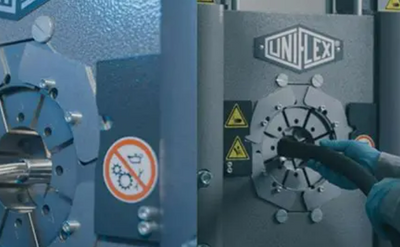
A crimp specification is the assembly recipe that connects one hose construction to one fitting system. It does more than provide a finished outside diameter. It identifies compatible parts, dies or machine settings, insertion and preparation requirements, measurement location, and acceptance tolerance.
Ignoring any of those fields can produce an assembly that looks finished but does not develop the intended grip or seal.
Under-crimp and over-crimp fail in different ways
An under-crimped ferrule may not compress the hose sufficiently around the stem. Fluid can track along the interface, and the end may move or pull off under pressure and impulse. Incomplete insertion creates a similar retention problem because the designed stem and ferrule engagement is not present.
Over-crimping is not extra safety. Excess deformation can damage reinforcement, cut into the tube, distort the stem, reduce the bore, or create a stress concentration. A restricted bore can increase velocity and pressure loss, but the more immediate concern is that the assembly no longer matches its qualified geometry.
The finished result must fall inside the published tolerance, not merely below a maximum.
The chart controls component identity
Begin with hose manufacturer, series, and size. The chart then identifies the approved stem and ferrule or one-piece fitting. Similar hose inside diameter does not establish compatibility because cover thickness, reinforcement, tube, and outside diameter differ.
The crimp document may specify die set, spacer or machine setting, target diameter, tolerance, and where to measure between die impressions. Machine-specific codes are meaningful only with the listed crimper and tooling.
Skive instructions are also part of the specification. A skive-required end may need controlled cover or tube removal to reach its designed engagement. A no-skive design should not be altered simply because another hose family is prepared that way.
Insertion depth prevents a hidden short engagement
Mark the specified insertion depth on the hose before installing the fitting. After insertion and crimping, compare the mark with the ferrule position. If the hose backs out during handling or the crimp cycle, finished diameter can still appear correct while effective engagement is too short.
Elbow orientation and overall assembly length should be verified at the same time. Correct crimp geometry cannot compensate for a hose that must be twisted or stretched to fit the machine.
Calibration connects the chart to the physical part
Crimpers, dies, calipers, and gauges wear or drift. Follow the equipment calibration and verification schedule. A machine setting is not proof of final diameter; measure the completed ferrule with a suitable calibrated tool.
Clean dies and correct die placement help produce uniform compression. Mixed, damaged, or incorrectly installed segments can create an out-of-round crimp. Record maintenance and calibration where assembly traceability is required.
Inspection begins before the crimp cycle
Reject hose with cracks, damaged reinforcement, contamination, or an unreadable identity that cannot be resolved. Inspect fittings for damaged threads, sealing faces, plating, ferrules, and part markings. Once crimped, components cannot be separated for correction without destroying the assembly.
After crimping, verify diameter, insertion, length, orientation, and visible condition. Complete cleaning, proof testing, labeling, and capping when required by the assembly procedure.
Crimping machines create pinch and ejection hazards. Guards, emergency stop, trained operation, eye protection, and appropriate handling of cut reinforcement are part of the process. Hands should never enter the die area during a cycle.
Treat every deviation as an engineering question
If the specified fitting is unavailable, the answer is not to choose the closest stem and adjust crimp diameter until it looks tight. A substitute requires a validated hose-and-fitting combination and new assembly data. The same applies when a hose series or fitting design changes revision.
Record the exact parts and specification used for first-article confirmation and ongoing batches. That provides a path to isolate affected assemblies if measurement, tooling, or component identity is later questioned.
The right crimp specification prevents leakage and pull-off because it controls the complete interface. Following it protects flow area, retention, consistency, and the people working around the pressurized system.