
Bridge Mixed Thread Standards with a Verified Two-End Adapter
Aug 9th 2022
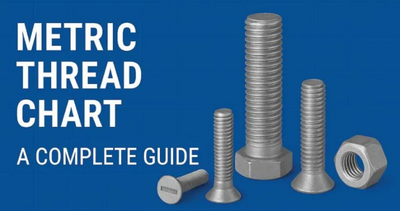
A hydraulic machine does not need one thread standard everywhere. Imported equipment, U.S. replacement hose and component ports can legitimately use different systems when a verified adapter preserves the sealing method on each side.
The unsafe act is forcing unlike threads together or assuming that an adapter “unifies” the entire machine.
Identify both original pressure boundaries
NPT uses tapered thread engagement and the specified sealant practice. BSPP can use a washer, O-ring or cone with a parallel retaining thread. ORB seals an O-ring at a machined boss port. JIC clamps matching 37-degree metal seats. Metric systems include several port and cone forms.
Measure diameter, pitch, taper and seat or seal. A thread that starts by hand can still belong to a different profile and damage the port before the intended seal contacts.
Specify the adapter in a fixed order
Name end one and end two with standard, size, gender and sealing feature. Add body shape, adjustable or fixed orientation, material and bore.
For example, “metric to JIC” remains ambiguous without the exact metric port form and both genders. “NPT to BSPP” must state which side carries the tapered thread and how the parallel side seals.
Protect the component port from stacked loads
A correct conversion can still create a long lever at a pump or valve. Count every adapter, elbow and coupling, then check vibration, hose weight, clearance and wrench access.
Use a purpose-designed conversion when it reduces a stack. Support the conductor and correct routing rather than asking the equipment port to carry bending load.
Keep ratings and materials continuous
The adapter, seals and both mating components must meet the required working and transient pressure, temperature and fluid compatibility. A higher rating on one end does not raise the lower-rated joint.
External corrosion may justify a different material or finish, but metal substitution can change galling, torque and galvanic behavior. Select the finished adapter from product data.
Leave a replacement trail
Record the original equipment port, conversion part and locally stocked hose end separately. Photograph the installed orientation and preserve the drawing or approved cross-reference.
This lets U.S. maintenance replace a common hose without guessing whether its visible end matches the machine underneath. If a revision changes, first confirm both seals and installed envelope.
Mixed standards are manageable when their boundary is explicit. A two-end adapter should translate geometry, not erase it.