
Match Hydraulic O-Ring Compounds to Fluid, Temperature, and Motion
HGW Hydraulics on Feb 9th 2021
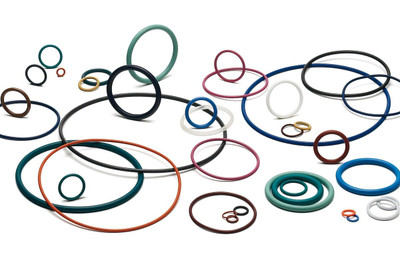
There is no single “best” hydraulic O-ring material. A compound that performs well in petroleum oil may swell in another fluid, while a chemically resistant elastomer may have poor low-temperature response, abrasion behavior, or cost for the application.
Selection must combine the base polymer with compound formulation, hardness, seal geometry, pressure, temperature, motion, surface finish, and the actual fluid—not only a generic compatibility chart.
Nitrile is common in petroleum hydraulic service
Nitrile rubber, often called NBR or Buna-N, is widely used with many petroleum oils and fuels. Its balance of cost, wear behavior, and available hardness makes it common in ORB, ORFS, valves, cylinders, and couplings.
Low-temperature flexibility and high-temperature life vary by formulation. Aromatic fuels, ozone, weather, fire-resistant fluids, and synthetic media can change suitability. Do not apply one temperature range to every nitrile compound.
EPDM serves water and selected non-petroleum fluids
EPDM can resist hot water, steam within qualified conditions, weather, ozone, brake fluids of certain types, and various chemicals. It is used in water treatment, process, automotive, and medical-related equipment when the specific compound and approvals fit.
EPDM is generally not selected for petroleum oils and hydrocarbon fuels because swelling or loss of properties can occur. A coupling described as polypropylene or medical grade does not make any EPDM seal automatically compatible or compliant.
FKM covers many oils, fuels, and higher-temperature duties
Fluoroelastomer, commonly abbreviated FKM, offers resistance to many mineral oils, fuels, aromatics, ozone, and elevated temperatures. Trade names should not replace the compound specification because different fluorine content and cure systems change behavior.
Low-temperature flexibility, steam, amines, ketones, some fire-resistant fluids, and rapid gas decompression can limit particular FKM compounds. Verify the entire operating and cleaning exposure.
FFKM is a specialized chemical and thermal option
Perfluoroelastomer compounds, or FFKM, can provide very broad chemical resistance and high-temperature capability. They are used where process exposure justifies their cost and where a qualified compound exists.
FFKM is not automatically the strongest choice for extrusion, cold operation, dynamic wear, or every pressure cycle. Compound-specific data, gland design, and application testing remain necessary.
Silicone has useful temperature flexibility but mechanical limits
Silicone elastomers can remain flexible across broad temperature ranges and are available in compounds intended for food, medical, electrical, or other specialized uses. “Odorless” or “non-toxic” is not a sufficient compliance statement.
Many silicone compounds have lower tear and abrasion resistance than common hydraulic seal materials and may be better suited to static service. Fluid permeability and compatibility must also be reviewed.
The gland can make the correct compound fail
Pressure can push elastomer into the clearance between mating parts. Hardness, extrusion gap, backup rings, pressure direction, temperature, and cycling determine extrusion risk. Excessive squeeze increases friction and heat, while inadequate squeeze can leak.
Surface scratches, sharp installation edges, twisted O-rings, contamination, and wrong lubricant can cut the seal before operation. Use the specified O-ring size, compound, installation tool, and lubricant. Do not substitute by color.
Compression set and swelling should be evaluated after temperature and fluid exposure. A seal that appears intact can lose elastic recovery and leak after a pressure cycle.
Build the choice from verified service data
Record the exact fluid brand and concentration, additives, cleaning chemicals, minimum and maximum temperatures, pressure and decompression rate, static or dynamic motion, exposure to air or ozone, required approvals, and expected maintenance interval.
Confirm compatibility with the seal supplier and equipment manufacturer, then preserve compound and size in the part record. If fluid changes, revalidate seals before filling the system.
O-ring fittings can control leakage only when the elastomer and gland suit the service. NBR, EPDM, FKM, FFKM, and silicone are starting families; the finished compound, geometry, and operating evidence determine the correct hydraulic seal.