
Electro-Hydraulic Integration is Transforming Industrial Applications: Practical Buying Guide
HGW Hydraulics on Sep 17th 2026
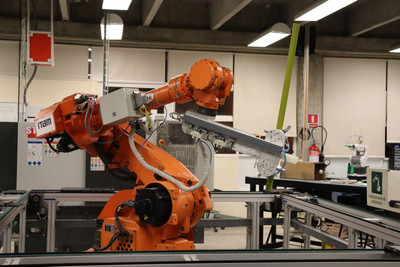
Hydraulics has always been about power: moving heavy loads, holding high forces and working reliably in tough conditions. What's changing is the control. When you add electronic controls, sensors and software to hydraulic power, you get a system that is stronger, smarter, more efficient and easier to manage.
This guide explains what electro-hydraulic integration is, why it matters and what to check before you buy components for your next project.
What Is Electro-Hydraulic Integration?
An electro-hydraulic system uses electrical signals to control hydraulic power. The hydraulic side still does the heavy lifting. The electronic side decides how much force to apply, how fast and exactly when.
A common example is the solenoid directional control valve. An electric coil shifts the valve spool and sends fluid down the right path at the right moment. You'll find these valves in construction equipment, manufacturing lines, aerospace ground systems and many other applications.
Why It's Changing Industrial Applications
1. Better efficiency and energy savings
Sensors and electronic controls let a system adjust flow and pressure to what the job needs right now. It no longer runs at full output all the time. That means less wasted energy, less heat and lower operating costs.
2. Precise, repeatable control
Proportional and servo valves driven by electronic signals give smooth, accurate motion. This matters for pressing, lifting, positioning and any process where quality depends on consistency.
3. Electro-hydraulic motor pumps and simpler circuits
Electro-hydraulic pumps separate the pump from the internal combustion engine. Changing the electric motor's speed and direction controls both flow rate and flow direction. Some circuits then need fewer directional and proportional valves, so there are fewer parts and fewer potential leak points. For mobile equipment, this also helps cut fuel use and emissions to meet stricter regulations.
4. IoT monitoring and predictive maintenance
Connected sensors report pressure, temperature, flow and energy use in real time. Combined with data analytics and AI, that information can flag wear before a failure happens. The result is less unplanned downtime and lower maintenance costs.
5. Safety and reliability
Electronic controls can add interlocks, pressure limits and fault detection. Problems get caught quickly and the system responds in a predictable way.
Where It's Used
- Construction and mobile equipment:excavators, loaders, cranes and aerial platforms
- Manufacturing:presses, injection molding, machine tools and automated assembly
- Aerospace and defense:test stands, ground support equipment and actuation systems
- Agriculture:implements with variable-rate and automated functions
- Material handling:lifts, forklifts and conveyors
Practical Buying Guide: What to Check Before You Order
1. Define the application first
- Start with the job, not the part number. Write down:
- Maximum and working pressure (bar / psi)
- Required flow rate (L/min / GPM)
- Duty cycle: continuous or intermittent
- Operating environment: temperature, dust, moisture, vibration, outdoor or indoor
2. Match the electrical specifications
This is where many ordering mistakes happen. Confirm:
- Coil voltage:12 VDC, 24 VDC, 110 VAC, 220 VAC, etc.
- Connector type:DIN 43650 (Form A/B/C), Deutsch, AMP Junior Timer, flying leads
- Power consumptionand whether your controller can supply it
- Protection rating:IP65, IP67 or higher for wet or outdoor use
- Explosion-proof certification, if the site requires it
3. Choose the right valve type
- On/off solenoid valves:simple, low-cost switching
- Proportional valves:variable speed and force, controlled by current or voltage signals
- Servo valves:highest precision and fastest response, at a higher cost and with stricter filtration requirements
Don't overspecify. If on/off control does the job, a servo valve only adds cost and maintenance.
4. Check mounting and interchangeability
Confirm the mounting interface, such as ISO 4401 / NFPA D03, D05, D07 subplates, cartridge cavities (e.g., SAE / UNF sizes) or threaded body ports. If you're replacing an existing part, check that the new one is dimensionally interchangeable with what's on the machine.
5. Consider filtration and fluid compatibility
Electro-hydraulic components, especially proportional and servo valves, are sensitive to contamination. Check the required ISO 4406 cleanliness code. Also confirm that seal materials (NBR, FKM/Viton, etc.) are compatible with your fluid and temperature range.
6. Plan for controls and feedback
Ask whether the valve needs an external amplifier card or has onboard electronics (OBE). Check whether it supports feedback such as spool position (LVDT) and how it will connect to your PLC or controller.
7. Think about total cost, not just unit price
A cheaper component can cost more over time through downtime, energy loss or early failure. Compare:
- Expected service life
- Energy efficiency
- Availability of spare coils, seals and repair kits
- Lead time and stock availability
8. Work with a supplier who understands the system
A good supplier will ask about your application, cross-reference part numbers, confirm specifications before shipping and support you after the sale.
Quick Pre-Order Checklist
☐ Pressure and flow rating confirmed
☐ Coil voltage and connector type confirmed
☐ Mounting pattern / cavity size confirmed
☐ Seal material compatible with fluid
☐ IP rating suitable for the environment
☐ Control signal and electronics requirements clear
☐ Lead time and spare parts availability checked
Final Thoughts
Electro-hydraulic integration has become standard across modern industrial and mobile equipment. It brings higher efficiency, precise control, smarter maintenance and cleaner operation. To get those benefits, choose components that fit your application, your electrical system and your long-term operating plans.