
Hydraulic Connections Around Food Filling, Mixing, and Packaging Equipment
HGW Hydraulics on Apr 9th 2025
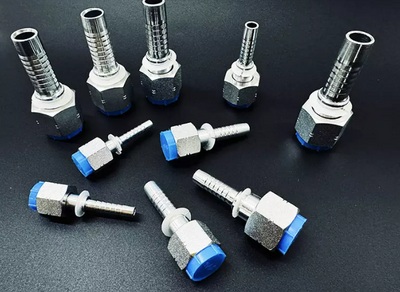
Food and beverage plants use hydraulics to clamp, lift, position, press, convey, meter, and move packaging equipment. The hydraulic circuit may sit beside mixers, fillers, cappers, labelers, conveyors, palletizers, and cleaning systems without contacting the product directly.
That distinction matters. A stainless hydraulic fitting is not automatically a hygienic product-contact fitting. The equipment design must separate hydraulic fluid from food zones, control leaks, tolerate cleaning, and meet the applicable sanitary and machine requirements.
Classify every connection by zone
Identify product-contact, splash, non-product, and utility areas under the plant’s hygienic design framework. Product tubing and sanitary process connections follow different surface, drainage, cleaning, and seal rules than JIC, ORFS, ORB, NPT, or hose fittings used in hydraulic power.
Where hydraulics operates above or near exposed food, leakage consequence is high. Drip trays, guards, line routing, food-grade lubricant requirements where applicable, and preventive replacement can reduce exposure. Do not assume a “food-grade” fluid makes a hydraulic leak acceptable.
Filling and packaging machines cycle connections repeatedly
Actuators may raise filling heads, clamp containers, move gates, tension webs, or position tooling many times per shift. Repeated motion can concentrate flex near a hose stem or rub a cover against the frame.
Map the complete movement, maintain bend radius, control hose twist, and support valves or adapter stacks. Use guards that remain cleanable and do not trap product or wash water against the hose.
ORFS or other controlled-seal connections may be selected where vibration and repeated cycling make leakage costly. The exact rating and compatibility still come from the component and assembly.
Mixing and processing add heat and cleaning exposure
Hydraulic systems around mixers, kneaders, presses, or heated process vessels may see warm ambient conditions, steam, caustic or acidic cleaning solutions, water spray, and condensation. Check hose cover, fitting alloy, plating, O-rings, labels, and guards against both hydraulic fluid and external chemicals.
316 stainless can improve corrosion resistance in many washdown conditions, but chlorides and crevices can still attack it. Surface finish and drainability matter for hygienic structure; material grade alone is not sufficient.
Contamination control works in both directions
Keep hydraulic oil out of the product area and keep sugar, flour, water, cleaning chemical, and packaging debris out of the hydraulic circuit. Damaged breathers, uncapped ports, and dirty repairs can contaminate pumps and valves.
Cap hoses during maintenance, use clean transfer equipment, and apply thread compound without blocking passages. Inspect for pinhole leakage, wet crimps, loose fittings, damaged covers, corroded clamps, and residue hiding a seep.
Never use a hand to search for a high-pressure leak. Lock out, lower or block loads, and relieve stored pressure before service.
Materials and seals follow actual media
Carbon steel with a suitable finish can serve protected hydraulic areas. Stainless may be appropriate for washdown or corrosive exposure. Hose tube, O-ring, bonded seal, and thread compound need compatibility with the hydraulic fluid and operating temperature.
If a connection is genuinely product-contact, use the plant’s approved hygienic component standards, elastomers, surface finish, traceability, and cleaning validation rather than adapting a hydraulic fitting.
Plan maintenance around production changeovers
Inspect moving hoses and leak-sensitive areas during scheduled sanitation or changeover windows when equipment can be isolated. Trend fluid condition, temperature, filter indicators, hose abrasion, and actuator behavior so service can be planned before a line stop.
Document hose length, end orientation, fitting standard, alloy, crimp data, equipment location, and protective routing. After repair, complete a controlled pressure and motion test before releasing the machine to sanitation and production.
Hydraulic components keep food and beverage production moving when their power circuit remains clean, contained, and physically separated from product. Good connection design supports both machine reliability and hygienic risk control without confusing a corrosion-resistant hydraulic part with a sanitary process connection.