
Hydraulic and Pneumatic Maintenance Across Aircraft and Ground Equipment
HGW Hydraulics on Sep 29th 2026
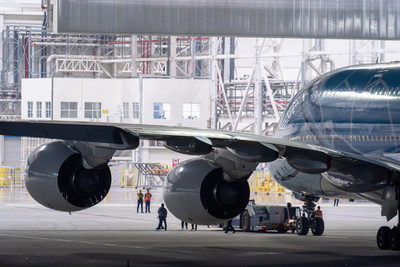
In aviation maintenance, repair, and overhaul (MRO), a fluid-power fault can affect either the aircraft or the equipment used to service it. The two settings share concerns about leaks, contamination, corrosion, and damaged connections, but they do not share the same release-to-service process. Aircraft work follows the applicable maintenance data and airworthiness requirements. Ground support equipment (GSE) follows its own equipment instructions and airport operating rules. Keeping that boundary clear is the starting point for sound hydraulic and pneumatic maintenance.
Two Maintenance Domains at the Airport
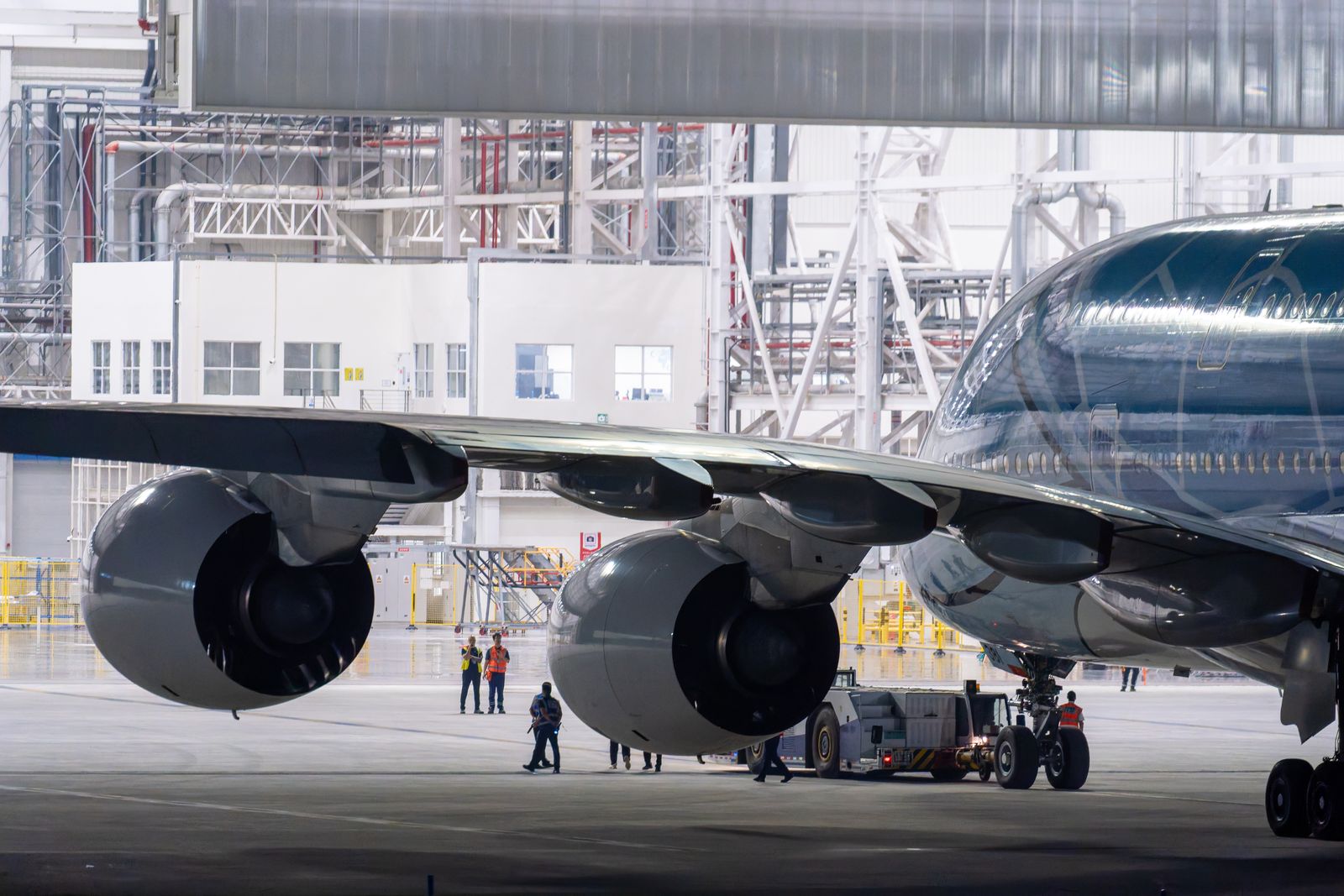
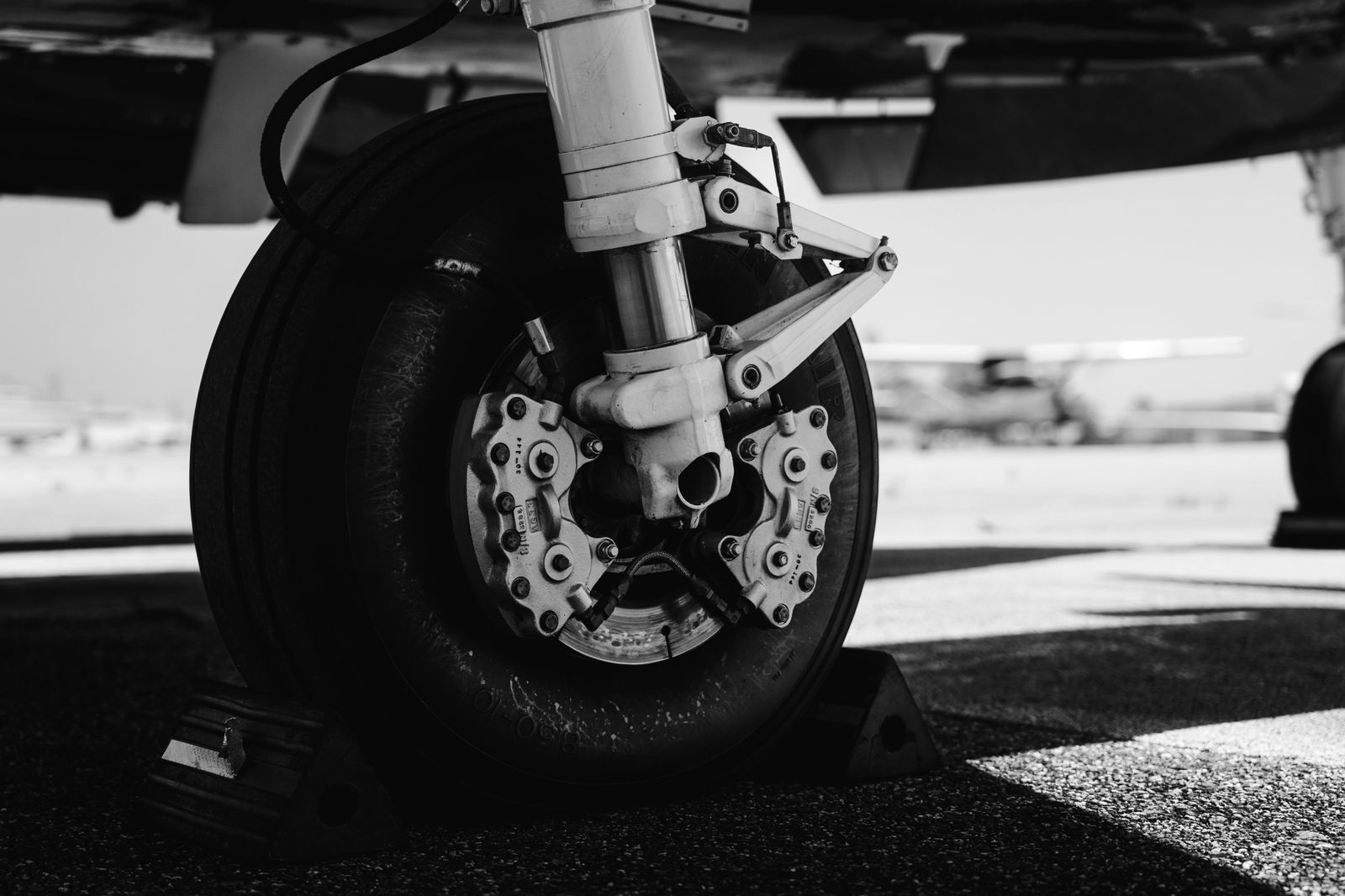
On an aircraft, hydraulic power may operate landing gear, brakes, and flight-control surfaces. Pneumatic systems have different functions, which can include pressurization, cooling, and actuation, depending on the aircraft design. Pressure-based sensing is another application, but it should not be treated as the same circuit as a compressed-air supply. The aircraft's maintenance documentation determines what to inspect and how to verify a repair.
The ground equipment around the aircraft has a separate job: keeping servicing and turnaround tasks available without introducing another hazard. A towbar with hydraulic height adjustment, a fluid-service cart, an engine-service lift, or a portable hydraulic power unit can each have hoses, seals, valves, and connections that require attention. An aircraft part and a GSE part may look similar, but appearance alone does not establish that they are interchangeable.
What Aircraft Hydraulic and Pneumatic Checks Need to Resolve
An aircraft hydraulic leak is more than a housekeeping issue. Fluid loss can reduce available pressure, while dirt or other contamination can interfere with components. An inspection has to locate the condition and follow the aircraft-specific procedure for the affected line, seal, valve, or actuator. The finding must be evaluated in the context of the system function; it is not enough to substitute a fitting that appears to have the same thread.
Pneumatic faults present a different pattern. Dirt or corrosion can affect valves and other moving components, and leakage can reduce the intended air supply. Technicians need to distinguish the actual circuit and its function before deciding what a pressure loss or stuck component means. Inspection, cleaning, replacement, and functional testing belong to the applicable aircraft instructions, not to a generic industrial repair procedure.
These systems carry safety consequences, but an alarm or visible defect does not identify every cause. Maintenance personnel need evidence from the equipment and its approved procedures before returning the aircraft to service.
When Equipment Has Been Idle
Extended inactivity can change the condition found at the next inspection. Moisture exposure and corrosion may affect metal tubing and valves; seals, valve packing, hoses, and some plastic pneumatic lines may show aging or damage. Storage location and duration matter, but neither proves that a component has failed. A return-to-service inspection should determine the actual condition under the aircraft's approved maintenance program.
The same observation applies to parked GSE without making the two approval paths identical. A portable hydraulic unit or service cart can accumulate water or particles, develop a damaged hose, or reveal a leaking connection when placed back into use. Its operator should follow the equipment maintenance plan and applicable airport rules before relying on it for aircraft service.
Ground Support Equipment: Contamination and Serviceability
GSE includes equipment used between flights and during scheduled maintenance. Hydraulic height adjustment on a towbar, an engine-service lift, fluid-dispensing equipment, and an auxiliary hydraulic power unit are examples of ground tasks where fluid-power condition matters. Their maintenance target is safe, serviceable equipment with avoidable downtime kept under control.
For hydraulic GSE, contamination can come from entrained air, water, particles, or chemicals that enter or mix with the fluid. The useful response is to find the entry point or affected component, service the system according to its instructions, and verify the result. Pneumatic GSE also needs attention to air leakage, dirt, and corrosion where those conditions affect its components. Planned service should address the actual machine and airport operating environment, not assume a single universal interval.
For general ground-equipment work, HGW's hydraulic maintenance checklist discussion provides further context on controlling stored energy and recording a defect. Aircraft maintenance still requires the approved aircraft-specific process.
Close the Loop Before Release to Service
The last step is a documented decision, not merely a completed repair. Flight crews report preflight discrepancies for maintenance evaluation; qualified personnel determine the disposition under the applicable aircraft program. GSE teams likewise need to verify that a serviced machine operates as intended before it returns to airport work. The record should connect the original finding, the corrective action, and the verification rather than treating a replacement component as proof that the underlying issue is gone.
For civilian ground support equipment, HGW can help compare a hydraulic fitting or adapter against a drawing, thread, sealing method, material, and dimensions from the existing connection. Aircraft-installed parts must be selected and approved under the applicable aviation maintenance and airworthiness requirements; a general HGW catalog match is not an aircraft approval.