
Hydraulic System Condition Monitoring for Safety and Efficiency
HGW Hydraulics on Sep 20th 2026
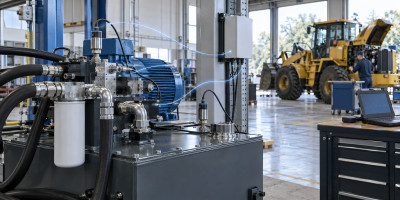
Hydraulic system condition monitoring combines sensors, networked data collection, and software to track changes in a hydraulic circuit while equipment is operating. By following pressure, temperature, fluid level, vibration, energy use, and cycle behavior, maintenance teams can compare current conditions with established normal patterns and decide when an inspection is warranted.
The goal is not automation for its own sake. Useful monitoring turns operating data into clear maintenance and process decisions. It can help a facility identify changing conditions earlier, investigate interruptions more efficiently, and measure whether an operating adjustment produced the intended result.
What Condition Monitoring Adds to a Hydraulic System
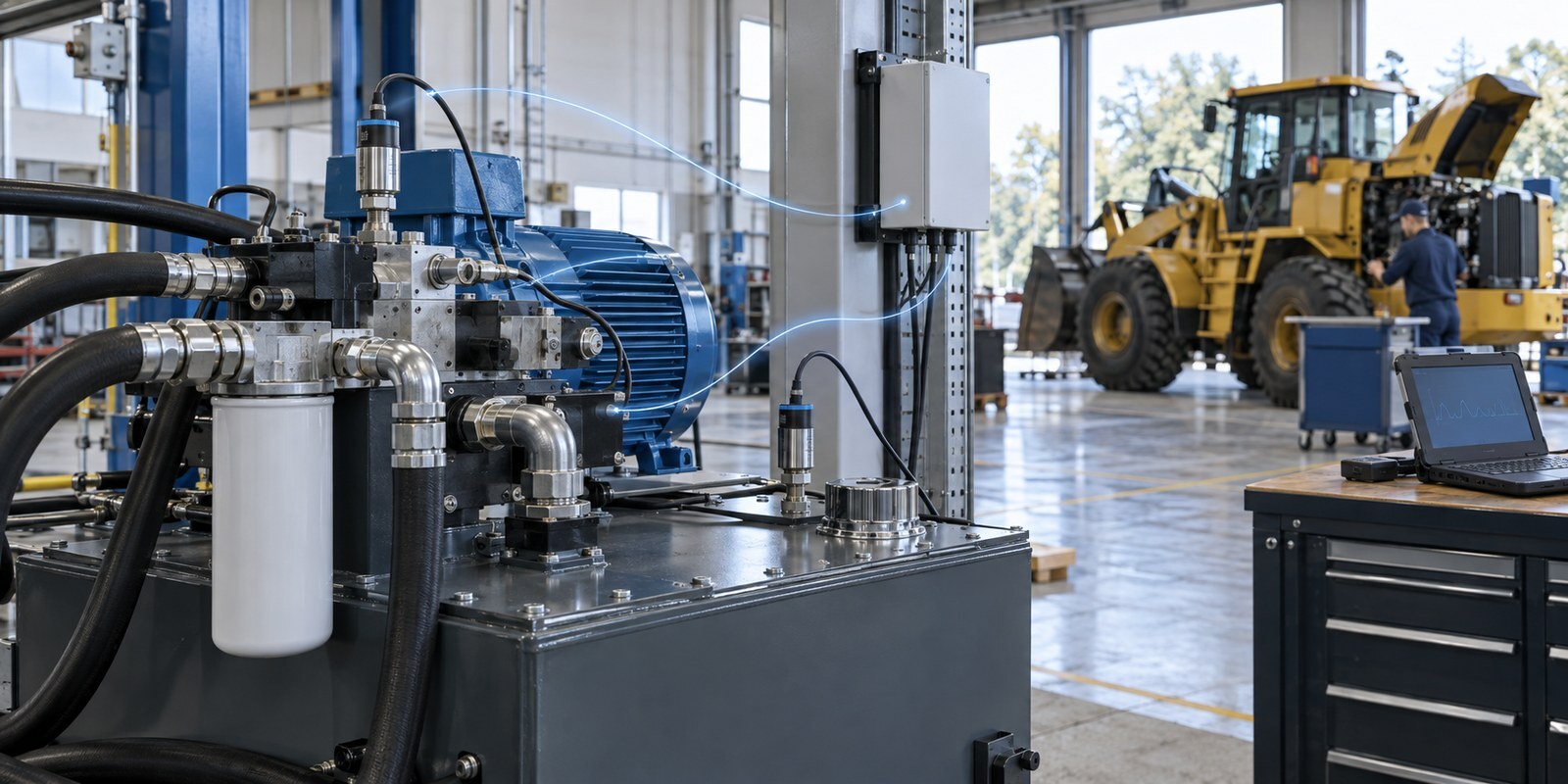
A monitored hydraulic system still relies on familiar components such as pumps, reservoirs, valves, actuators, hoses, fittings, and adapters. Sensors and communication tools add a feedback layer. Electronically controlled components such as solenoid valves may also respond to control signals that start, stop, or redirect flow.
In a conventional maintenance program, readings may be collected during a scheduled inspection and reviewed separately. A connected system can organize current and historical readings in one place. That makes it easier to compare a machine's present behavior with its normal operating range and to see whether a change is isolated or part of a developing trend.
Which Hydraulic System Signals Matter
The most useful signals are the ones tied to a defined maintenance or operating decision. Collecting more data does not automatically improve reliability. Teams need measurements that reflect system condition, workload, and energy use.
Pressure and Temperature
Pressure readings help show whether a circuit is responding as expected during different stages of a machine cycle. Temperature trends provide another view of system condition. A reading outside the normal pattern does not identify the cause by itself, but it can direct attention to the part of the system that needs inspection.
Fluid Level and Vibration
Fluid level monitoring can reveal a change that requires investigation. Vibration data can highlight mechanical behavior that differs from an established baseline. When these readings are recorded consistently, gradual changes become easier to recognize than they would be during a single spot check.
Energy Use and Idle Time
Energy data can show how much power a machine uses during productive cycles and while it is idle. Cycle timing can also reveal repeated delays or operating states that deserve review. These measurements give teams a basis for evaluating whether a process change reduces unnecessary energy use without disrupting production.
From Sensor Readings to Maintenance Decisions
An alert indicates that a condition changed; it does not provide a complete diagnosis. Maintenance teams still need to confirm the machine's operating state, inspect the relevant components, and determine whether the reading reflects a sensor issue, a normal load change, or a developing hydraulic problem.
Historical trends can make that inspection more focused. If pressure, temperature, fluid level, or vibration moves away from its normal range, the team can review the change before waiting for a visible leak or an unplanned shutdown. This supports condition-based decisions while keeping physical inspection and technical judgment at the center of the process. HGW's guide to hydraulic system inspections explains how inspection findings can be organized around safety, maintenance, and downtime control.
How Trend Data Supports Efficiency Improvements
A single measurement shows what happened at one moment. A trend shows how the system behaves over time. When a facility records data consistently, it can look for recurring patterns in energy consumption, system response, cycle time, and production interruptions.
The team can then make a controlled adjustment and compare later readings with the earlier baseline. This creates a practical feedback loop: identify a pattern, investigate the cause, make a change, and measure the result. The same process can help separate a one-time event from a condition that continues to develop.
Using Hydraulic Data to Support Energy Goals
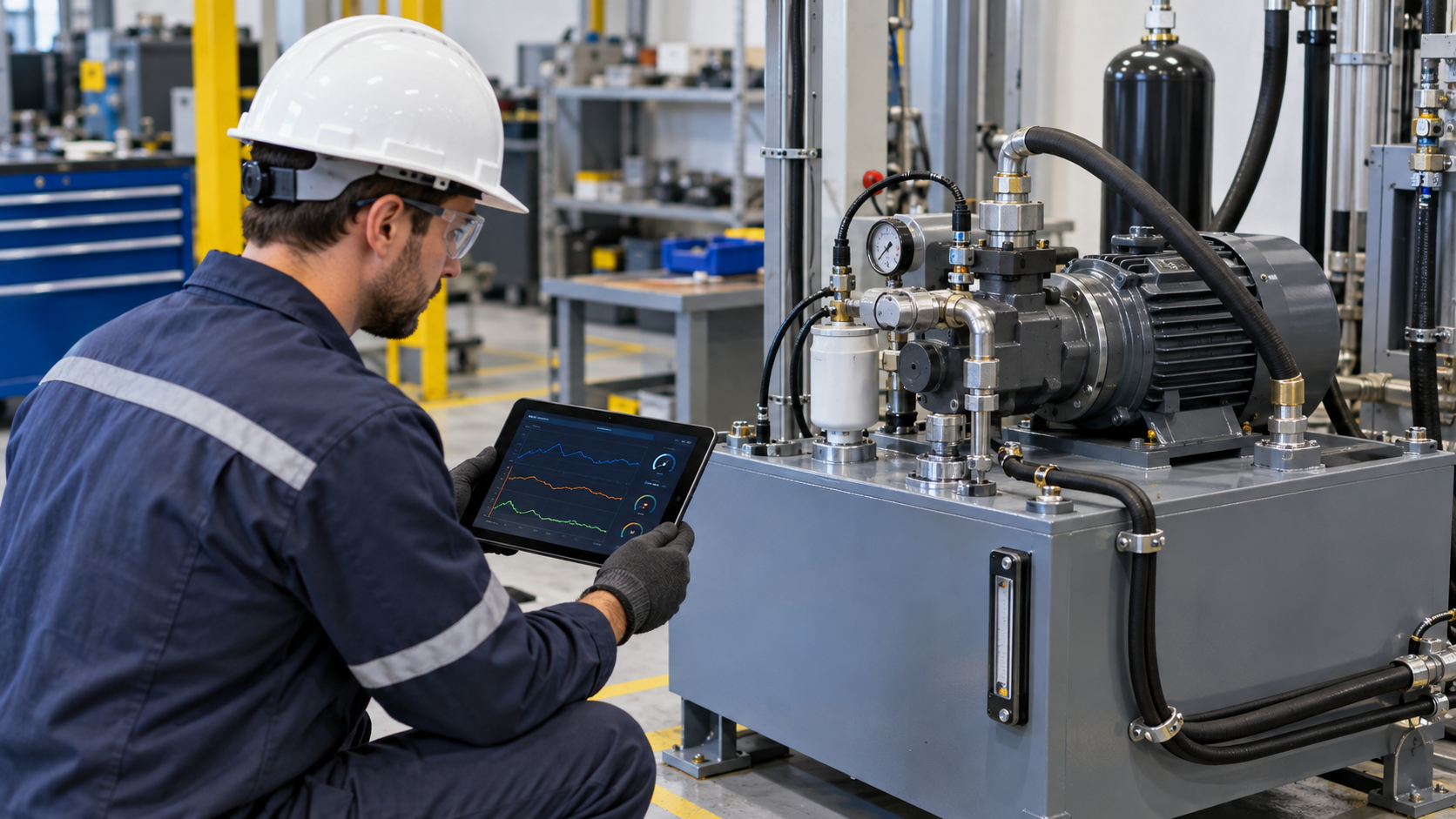
Hydraulic equipment may consume energy even when it is not completing productive work. Monitoring can make nonessential idle time and inefficient operating patterns easier to see. Facilities can use that information to decide where an operating change deserves further evaluation.
Condition monitoring does not make a hydraulic system efficient or sustainable by itself. It provides evidence for better decisions. When those decisions reduce unnecessary idle time, improve cycle performance, or prevent disruptive failures, they can support broader energy and environmental goals.
Build Monitoring Around a Clear Response
A useful monitoring program needs documented normal ranges, responsibility for reviewing alerts, and a defined response when a trend changes. Sensor placement also matters because a reading must represent the condition the team intends to evaluate.
Connected data does not replace sound hydraulic fundamentals. Correct component selection, secure connections, clean fluid, and disciplined inspection remain essential. Monitoring gives a maintenance team an earlier and more detailed view of system behavior, but people still need to interpret the data and verify the cause.
When monitoring points to a leaking connection or a component replacement, HGW can help buyers compare hydraulic fitting and adapter connection types using the thread, sealing method, material, and dimensions from the existing system.