
Specify Instrumentation Valves and Tube Fittings by Process Function
HGW Hydraulics on Jul 24th 2025
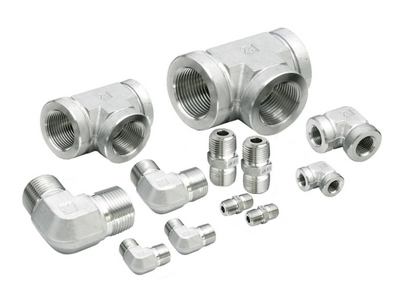
Instrumentation tubing carries the small flows and pressure signals used to measure, sample, isolate, calibrate and control larger processes. The same outside tube diameter can appear in a laboratory analyzer, refinery impulse line or power-plant sampling panel, yet those systems require different materials, cleaning and documentation.
Market name is a starting point. A purchase specification must describe the process function and its hazards.
Chemical and petrochemical systems begin with compatibility
Research equipment, pilot plants, production skids and sample systems may handle fluids at very different concentration, temperature and phase. Review every wetted material, including body, tube, ferrules, stem, seat, packing and O-ring.
Corrosion allowance alone may not protect a small-bore passage from plugging or contamination. Consider dead volume, drainability, purge, emissions controls and how the line will be isolated for maintenance.
Oil and gas service adds location and documentation
Exploration, production, refining, gas storage and transfer equipment can expose instrument lines to pressure cycling, vibration, salt, sour conditions, fire zones or extreme weather. The service designation must be precise; natural gas, LNG equipment and chemical injection do not share one generic material requirement.
Verify pressure and temperature class, hazardous-area implications for actuators, material certification, testing and any project specification. Support long impulse lines and protect them from resonant vibration and external damage.
Medical, pharmaceutical, and biotechnology equipment prioritizes the process boundary
These applications may require controlled cleanliness, low hold-up volume, drainability, sterilization compatibility and material traceability. A fitting used on plant instrument air has different obligations from a component touching a product, patient fluid or high-purity gas.
Determine whether the line is process contact, utility, sampling or calibration service. Apply the relevant equipment standard and quality controls rather than making a broad claim that stainless construction is medical grade.
Power generation connects measurement to plant conditions
Instrumentation supports boilers, feedwater, turbines, condensers, emissions systems and auxiliary equipment. Temperature at the process tap may require an impulse line or conditioning arrangement before fluid reaches a valve or transmitter.
Valve layout should allow isolation, equalization, venting or sampling as the instrument requires. Materials, ferrules and seats must suit treated water, steam condensate, fuel, air or chemical service at the local operating condition.
Aerospace and defense requirements are contract-specific
A supplier quality system such as AS9100, special-process accreditation or customer approval may be required for a particular aviation, space or defense contract. Those credentials do not automatically apply to every component or every company in the supply chain.
Review the drawing, approved-source requirements, material and process specifications, inspection, serialization and record retention for the actual program. Do not describe a commercial instrumentation fitting as aerospace-qualified from thread type alone.
Build one datasheet around the function
Record media, phase, concentration, pressure, temperature, flow direction, tube size and wall, material, connection system, valve function, actuation, cleanliness, examination and documentation. Include mounting and wrench access so installation does not load the tube.
Instrumentation components serve many markets because their geometry is adaptable. Their acceptance, however, always comes from the exact process and quality requirements at the point of use.