
Configure Power-Plant Instrument Valves Around the Measurement Task
HGW Hydraulics on Sep 9th 2025
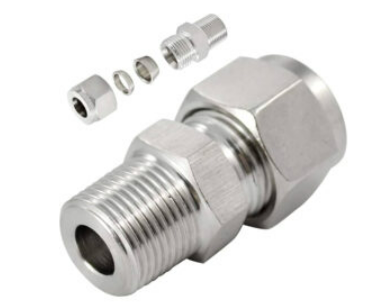
An instrument valve in a power facility may isolate a pressure transmitter, direct a sample, vent trapped fluid or equalize a differential measurement. The correct configuration comes from that operating task and the process condition at the tap, not from choosing a two-way or three-way body in isolation.
Define the valve function and normal state
List every port, flow path and required operating sequence. A simple isolation valve has different risks from a selector, vent valve or multi-valve manifold. State which path is open during operation, calibration, startup and maintenance.
For differential-pressure instruments, coordinated isolation and equalization can protect the transmitter when the procedure is followed. Sampling and analyzer panels may need purge, drain and low-dead-volume arrangements. Marking and drawings should make the safe sequence clear.
Determine conditions at the instrument, not only the process vessel
Boilers, feedwater circuits, turbines, condensers, emissions equipment and chemical-treatment skids expose instruments to different media and temperatures. An impulse line, condensate pot or conditioning element may change the state before fluid reaches the valve.
Specify local pressure, temperature, phase, chemistry and upset case. Material selected for cool treated water may not suit a hot steam connection or chemical injection point. Review seats, packing, stem and seals as well as the body.
Match tube and ferrule as one connection system
Single- and double-ferrule designs use different internal geometry. Body, nut and ferrules should come from the approved system, and the tubing must meet its outside-diameter, wall, hardness and surface requirements.
Prepare tube squarely, insert fully and assemble by the specified turn, torque or gauge method. Long impulse lines need support so vibration and thermal growth are not concentrated at the valve port.
Choose brass or stainless from the service zone
Brass can fit selected compatible instrument-air or water utilities. Stainless is often considered where external weather, washdown or process corrosion requires it. Exact alloy, temperature, chemical compatibility and pressure class remain necessary for either material.
Avoid assuming that a silver body is 316 stainless or that all brass has the same water-chemistry behavior. Use markings and material documentation required by the plant.
Add actuation only with a fail-state plan
An ISO mounting pattern or other actuator interface can simplify automation, but mechanical fit is only the beginning. Confirm torque, travel, stem coupling, position indication, hazardous-area controls and the desired response to loss of air or power.
Manual override and lockout provisions should support the plant procedure. An automated valve must not move unexpectedly while an instrument is isolated for service.
Verify maintainability before ordering
Check panel thickness, support, handle sweep, actuator envelope, tube approach and access for a wrench or calibration hose. Record flow direction and port labels. Select bonnet, packing and seat arrangements that can be maintained under the site program.
Material certificates, cleaning, testing and traceability should follow the system classification. A well-configured valve makes the measurement task safer and clearer because process, connection, operation and maintenance were specified together.