
Assemble ORFS Connections with a Product-Specific Clamp Method
HGW Hydraulics on Mar 23rd 2022
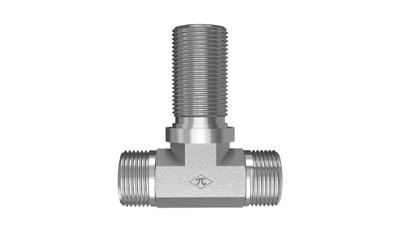
An ORFS connection seals when a captured O-ring at one flat face is compressed by the mating face. The straight thread and swivel nut provide clamp load; they do not seal through thread interference.
Assembly should control the face, O-ring, alignment and tightening condition as one process.
Verify the interface before handling the seal
Confirm thread, size, gender, face geometry and fitting standard. Inspect both faces for scratches, dents, corrosion and embedded debris. A damaged flat can cut or extrude a new O-ring.
Use the specified O-ring size and compound. Check it for cuts, twist, swelling, flattening and contamination, then place it fully in the clean groove without stretching it unnecessarily.
Do not add a second O-ring, sealant or improvised gasket to correct a wrong or damaged connection.
Bring the faces together without side load
Align tube or hose so the faces meet squarely. Start the nut by hand. Resistance before normal engagement can indicate crossed threads, a trapped O-ring or a route that is pulling the joint sideways.
Hold the fixed body with a backup wrench at the intended wrench pad. The swivel nut should clamp the interface without rotating an adjacent adapter or twisting the conductor.
Set the documented friction condition
Some product procedures specify clean system fluid or another compatible lubricant on the O-ring and threads and provide tightening data for that lubricated condition. Others may define a different preparation.
Lubrication changes friction and therefore the relationship between applied torque and clamp load. A wet value and a dry value are not interchangeable. Follow the exact manufacturer or assembly specification rather than declaring wet torque mandatory for every ORFS product.
Avoid lubricant that is incompatible with the seal or process fluid, and keep excess material out of the circuit.
Tighten by the approved method
Use the applicable torque, flats-from-reference or other controlled method for the size, material, plating and connection condition. Generic charts from another product family can overtighten stainless parts or leave another assembly underclamped.
Torque should not be used to pull a rigid tube into alignment. If the nut reaches an unexpected position or the fitting rotates, stop and inspect after the system is made safe.
Verify after pressure is restored
Pressurize through the equipment procedure with people clear of the spray path. Inspect the face joint and adjacent ends without using hands to search for a pinhole leak.
If leakage appears, depressurize and disassemble. Look for a cut or displaced O-ring, damaged face, contamination, loose clamp load, incorrect seal material or side loading. Repeated tightening without finding the mechanism can deform threads or crush the seal.
For repeat assemblies, record fitting identity, O-ring, preparation condition and tightening method. ORFS reduces sensitivity to small metal-seat variations, but only a controlled assembly makes that advantage dependable.