
Match Push-to-Connect Fittings to Tube, Media, and Approval
HGW Hydraulics on Jun 17th 2025
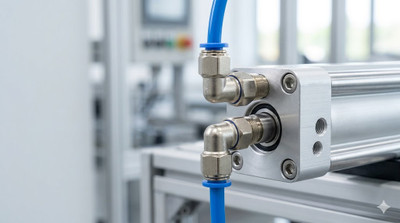
A push-to-connect fitting combines tube retention and sealing inside a compact body. When the tube is prepared and inserted correctly, installation can be completed without solder, adhesive or a compression-nut pull-up. That convenience is valid only inside the product’s approved tube and service envelope.
Follow the internal parts from entry to stop
The tube first passes a release sleeve or collet, then a gripping element and an O-ring before reaching an internal stop. Some designs include a support sleeve for the tube. The grip resists pullout while the elastomer seals on the tube outside diameter.
Pressing the release mechanism withdraws or relaxes the grip so an unpressurized line can be removed. Internal architecture differs by manufacturer; a general description does not authorize interchanging collets, seals or tube supports.
Prepare the tube as a sealing surface
Use the specified tubing material, outside diameter, wall and hardness. Polyurethane, nylon and other polymers do not behave alike, and metal-tube approval is product-specific. Cut squarely with the recommended tool, remove burrs and clean away chips.
Inspect the area that will cross the O-ring. Scratches, paint, ovality and a damaged edge can cut or bypass the seal. Marking insertion depth makes incomplete engagement visible. After insertion, perform the prescribed pull check without applying side load.
Select body and seal materials separately
Composite bodies can reduce weight and work well in many pneumatic controls. Nickel-plated brass is common where a metal body and machinability are desired. Stainless versions may suit certain washdown or corrosive zones.
Those material labels do not establish media compatibility or temperature. Check the body, plating, gripper, O-ring and tube against the actual air, gas, water, beverage, chemical or lubricant. A nitrile seal is common, but other compounds may be required.
Apply transportation approvals to the exact part
Air-brake circuits use fittings and tubing that meet specific regulatory and vehicle requirements. An ordinary industrial push-in fitting is not converted into a DOT air-brake component by adding an internal support or using a brass body.
Require the exact listed or marked fitting, approved tubing, size, operating limits and installation instructions for the vehicle. Preserve traceability during replacement. Rail and other transportation systems can have separate governing requirements.
Distinguish potable, beverage, and hydronic service
Water applications may require potable-water listings, material-extraction limits, temperature ratings or plumbing-code acceptance. Beverage equipment adds taste, sanitation and cleaning-chemical considerations. Hydronic circuits can expose seals and tube to sustained heat and treatment chemicals.
Approval for compressed air does not establish suitability behind a wall, underground or in drinking-water service. Accessibility and concealment rules are determined by the listed system and local code.
Protect the connection after installation
Support tube so vibration and equipment motion do not work at the collet. Keep the first bend outside the restricted entry zone and avoid side load. Before releasing a tube, isolate pressure and confirm the line cannot move or discharge hazardous media.
Push-to-connect fittings save assembly time when the fitting, tube and approval form one documented system. Their speed should make the installation more repeatable, not reduce the number of compatibility checks.