
Approve Push-to-Connect Water Fittings by Intended Contact and Tube System
HGW Hydraulics on Aug 25th 2021
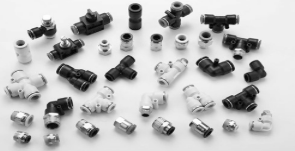
A push-to-connect fitting can shorten water-system assembly, but fast installation does not establish that its wetted materials are suitable. Potable water, beverage equipment, process water and irrigation can require different health, sanitation and performance evidence.
Approval begins with intended contact, then checks the entire tube-and-fitting system.
Separate drinking-water and food-equipment scopes
NSF/ANSI/CAN 61 addresses health effects from materials and products in contact with drinking water. NSF/ANSI 51 addresses materials and finishes used in commercial food equipment. A beverage or treatment system may involve more than one requirement depending on jurisdiction, equipment and contact location.
Do not accept “NSF material” as proof that a finished fitting is listed for the intended use. Verify the current certification database, exact manufacturer, trade designation, product category, size, material and any temperature or use limitations. Certification scope is not a general pressure or flow rating.
Other plumbing-code, lead-content, food-contact or local requirements may also apply. The system designer or authority having jurisdiction determines what is required.
Match the tube before judging the connection
Push-in designs seal on the tube outside surface. Confirm outside diameter, material, wall, hardness or stiffness, roundness and permitted tolerance. Inch and metric tubing that appear close can damage the seal or grip incorrectly.
Cut with an appropriate tool so the end is square and free from longitudinal scratches. Remove loose debris, mark the required insertion depth and push the tube to the internal stop. A tube that passes the grab element but stops before the seal can feel connected while remaining unsafe.
Some fittings require an internal tube support with soft or thin-wall tubing. Use only the support specified for that product.
Review every wetted material
The body, O-ring, collet, tube support and tubing can all contact water. Check chemical treatment, disinfectants, cleaners, ozone, mineral content and possible temperature excursions as well as the normal fluid.
Body material does not determine seal compatibility. A polymer or metal fitting with the wrong elastomer can swell, harden or lose compression. External washdown, UV exposure and surrounding chemicals can create a second material zone outside the water path.
Size for pressure and delivered flow
Pressure capability depends on the exact fitting, tube, size and temperature. Derating may apply as temperature rises. Water hammer and pump cycling can create transients that a steady gauge reading misses.
High flow is not an automatic property of every push-to-connect shape. Compare internal bore and published pressure-drop data at the required flow. Elbows, valves, filters and small tube runs can add losses even when the fitting is correctly installed.
Define removal, cleaning and reuse
Some designs are reusable when the collet is operated correctly; others limit remake or require seal replacement. Depressurize and drain the system before release. Pulling without releasing the gripping element can score the tube and damage the fitting.
Inspect the removed tube end for tooth marks, ovality and scratches across the sealing area. Trim it only if sufficient straight length remains and the product instructions allow. Keep release tools and exposed connections clean in food or potable-water work.
Cleaning and sanitizing methods must suit both fitting and tubing. A material that tolerates room-temperature water may not tolerate repeated hot cleaning, steam, concentrated sanitizer or thermal cycling.
Verify the installed boundary
Support tubing so weight and vibration do not pry at the collet. Avoid bending immediately at the fitting, and provide access for inspection and release. Test the completed system using the applicable procedure, then check for movement and seepage during operating cycles.
Push-to-connect technology is valuable when the installation is repeatable. Its speed should come after certification scope, tube identity and service limits are documented—not in place of them.