
Use Push-In Fittings When Tube Preparation and Access Stay Controllable
HGW Hydraulics on Dec 16th 2025
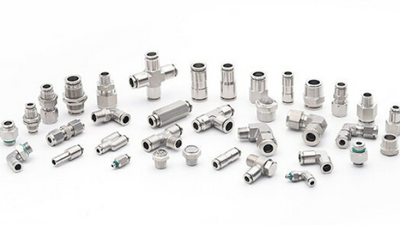
Push-in fittings can eliminate flaring, soldering, solvent curing or compression-nut make-up in selected systems. Their installation speed is real only when tube preparation, insertion and later inspection remain controlled.
A joint hidden behind a panel deserves more—not less—evidence before it is closed in.
Compare complete joining methods
Soldered metal pipe, solvent-cemented plastic, compression tube and push-in fittings each have their own material, drying, heat, cure, access and inspection requirements. A push-in fitting is not automatically more practical for every tube or code.
Confirm that the exact fitting is approved for brass, PEX, CPVC, pneumatic tube or another conductor. Similar outside diameter does not establish compatible wall, stiffness or support.
Make preparation measurable
Cut tube square with the correct tool, deburr without creating a sealing scratch and verify roundness. Mark insertion depth and push to the internal stop. Install a tube support when the product calls for one.
The collet or grab ring retains the tube and the O-ring seals its OD. Dirt, a longitudinal groove or partial insertion can defeat the joint even when no wrench is required.
Treat residual water and cleanliness separately
Some push-in products tolerate damp installation conditions that would prevent soldering or solvent bonding. That does not mean standing water, process contamination or pressure can be ignored.
Follow the fitting and system procedure for draining, cleaning and test preparation. Potable water, food and pneumatic systems can impose additional cleanliness or certification requirements.
Design access for release and inspection
Reusable designs may allow tube removal through a collar or tool. Depressurize first, operate the intended release and inspect tooth marks and the O-ring contact area before reinsertion.
Some products limit remake or require trimming. A fitting behind finished structure should remain accessible under the applicable building or equipment requirements; reliability marketing is not permission to conceal an unverified joint.
Use configuration breadth carefully
Straight unions, elbows, tees, bulkheads and threaded adapters allow compact routing. Each body shape changes bore, orientation and external load.
Match pressure-temperature tables, media, seal compound, body material, tube and port end. Regulated vehicle air, potable water and other controlled services require the exact listed system.
Push-in technology saves labor when the installer can prove tube identity, preparation and full engagement. The fastest joint is not useful if its seal cannot be inspected or its application was never approved.