
Specify Stainless Valves from Process Chemistry, Pressure Class, and Seat Design
HGW Hydraulics on Aug 29th 2024
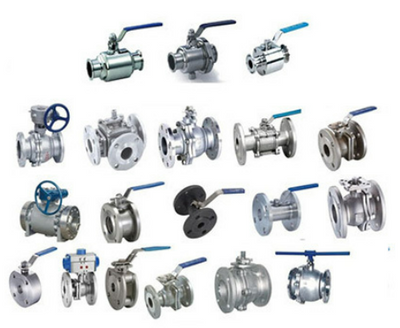
A stainless valve is not selected from the body material alone. The ball, stem, seat, packing, seals, fasteners, end connections, actuator, and cavity all contact the process or environment in different ways. The valve must also perform its required shutoff, throttling, isolation, cleaning, and safety function.
Write the process envelope first
Record fluid or gas composition, concentration, solids, phase, pressure, temperature, flow, cycling, required shutoff, cleaning, external environment, and consequence of leakage. Determine whether the valve operates fully open or closed, throttles, drains, samples, diverts, or isolates hazardous energy.
Ball, butterfly, diaphragm, needle, check, gate, and other valve designs move different barriers through the flow. A stainless ball valve is not the default for every powder, slurry, corrosive liquid, steam, or gas.
Select body and trim alloys separately
304, 316, duplex, and higher alloys provide different corrosion behavior. 316 is common in many chemical, marine, and washdown applications but can still pit or corrode in crevices under severe chlorides. Refineries can contain sulfur compounds, acids, chlorides, hydrogen service, and temperature conditions requiring material controls beyond generic stainless.
The stem, ball, springs, seats, and fasteners may use other materials. Galvanic contact, galling, erosion, and deposits can affect performance. Obtain product- and process-specific compatibility rather than claiming stainless resists all crude oil or seawater indefinitely.
Check seats, packing, and cavity behavior
Soft seats can provide tight shutoff but have fluid, temperature, pressure, fire, and abrasion limits. Metal seats address other duties but have their own leakage classes and wear behavior. Stem packing must control external leakage across operating cycles.
Trapped fluid in a body cavity can expand with temperature. Directionality, relief features, venting, and double-block or bleed needs depend on design. Cleaning and drainage matter in breweries, food, pharmaceutical, and high-purity systems; a stainless body does not make an inaccessible cavity sanitary.
Use the marked valve rating and governing standard
Pressure class depends on body design, size, temperature, materials, ends, seats, and applicable valve standard. Do not compare stainless with brass, plastic, or carbon steel using bulk material strength. Verify the exact pressure-temperature rating and allowable differential pressure for operation.
Threaded NPT or BSP, socket weld, butt weld, sanitary clamp, and flange connections require different installation and inspection. Welding can damage seats or seals if the procedure does not protect them. Pipe loads should not distort the valve body.
Evaluate oil, marine, and brewery service differently
Oil-refining valves may require sour-service materials, fugitive-emissions controls, fire testing, traceability, and defined corrosion allowance. Marine systems need exact seawater or atmospheric exposure, temperature, flow, crevice control, and galvanic review. Plastic may suit some low-pressure chemicals, but its rating and fire behavior must be evaluated rather than dismissed generally.
Brewing and hot-process-liquid service can require cleanability, surface finish, elastomer compatibility, drainability, and food-contact documentation. Wort or cleaning chemicals should be named; “corrosive” alone does not select the valve.
Plan actuation and maintenance
Manual, pneumatic, electric, or hydraulic actuation must provide required torque through pressure, temperature, fouling, and wear. Define fail position, position indication, lockout, cycle frequency, and hazardous-area requirements.
Maintenance instructions should cover isolation, trapped pressure, seat and packing service, fastener condition, corrosion, leakage test, and replacement kits. A stainless valve is right when every wetted and pressure-retaining component, connection, rating, and operating function matches the process—not simply because the application is hot, corrosive, or high pressure.