
Wellhead Control Panel Connections: From Hydraulic Supply to Safe Valve Actuation
HGW Hydraulics on Jan 16th 2025
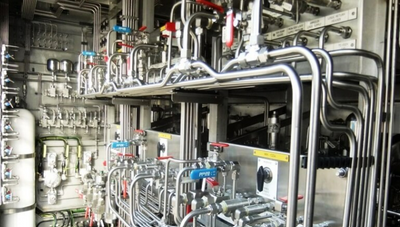
A wellhead control panel sends controlled hydraulic or pneumatic energy to surface and subsurface safety functions. Its tubes, fittings, valves, gauges, reservoirs, pumps, accumulators, and logic elements must preserve pressure and signal integrity while allowing safe isolation and testing.
Selecting a fitting from thread size alone misses the panel’s real purpose. Each connection belongs to a circuit state—supply, control, return, vent, sensing, test, or actuator—and its material and sealing method must fit that state.
Begin with the cause-and-effect logic
Document which field valve is held open or closed by control pressure, what initiates a shutdown, and how the system moves to its safe state after loss of power or pressure. Identify surface safety valves, subsurface safety valves, emergency shutdown stations, fusible-loop or sensing circuits, and local or remote controls as applicable.
The hydraulic diagram should show normal pressure, stored energy, relief paths, check valves, regulators, isolation valves, gauges, test points, and return or vent destinations. Port labels and tube tags need to match the drawing so a maintenance change does not reverse a safety function.
Stored energy makes isolation a design requirement
Accumulators can maintain actuator pressure when a pump is unavailable, but they also keep the panel energized after shutdown. Bleed valves, gauges, lockout points, and procedures must allow technicians to verify zero energy before opening a line.
Double-block-and-bleed or manifold arrangements may isolate instruments and provide controlled venting where required. The exact isolation philosophy and leakage criteria come from the project, code, and risk assessment—not from the number of valves in a compact body.
Relief discharge and vented process media need a safe destination. A small tube should never vent a hazardous fluid toward the operator simply because it fits inside the enclosure.
Match tubing and fittings to the panel environment
Instrumentation tube fittings, NPT or BSP connections, ORB ports, compression fittings, manifolds, and hose assemblies can all appear in a panel. Each boundary must have a defined standard, size, seat or seal, material, and tightening procedure.
Stainless steel is common in corrosive offshore and process settings, but grade selection depends on chlorides, temperature, sour exposure, chemicals, and galvanic contact. NACE MR0175/ISO 15156 or other material requirements may apply to wetted parts in sour petroleum service. Project-specific review is necessary.
Tube outside diameter, wall, hardness, surface condition, bend radius, and support affect the fitting seal. Do not mix ferrules, nuts, or bodies across product systems without documented compatibility.
Hydraulic media and cleanliness affect logic performance
Fluid viscosity changes with temperature and influences pump, valve, restriction, and actuator response. Water, particles, air, and degraded fluid can stick small valves, score seats, block orifices, and alter timing.
Define fluid type, filtration, reservoir breather, sampling, filling, and flushing requirements. Cap components during assembly and keep thread compound out of small passages. An apparently minor leak can admit contamination or reduce stored pressure needed for a shutdown action.
Instruments need usable range and isolation
Pressure gauges, switches, transmitters, and regulators should have suitable range, accuracy, process connection, overpressure behavior, environmental enclosure, and calibration needs. The sensing point must represent the pressure required by the logic.
Use a manifold or test connection that allows calibration without defeating the safety function. Mark normal readings and alarm thresholds in the operating documentation rather than relying on an operator’s memory.
Factory and site tests prove different conditions
Panel testing can include cleanliness, leak or pressure tests, valve operation, alarm and shutdown logic, accumulator performance, instrument calibration, electrical checks, and cause-and-effect simulation. Test pressures, fluids, hold times, and acceptance criteria must be specified safely.
Site commissioning also checks field tubing, actuator response, remote signals, orientation, environmental exposure, and actual valve travel. Preserve records and as-built drawings for later troubleshooting.
Maintenance should protect the safety path
Inspect fluid condition, pressure trend, accumulator state, leaks, corrosion, loose supports, valve operation, filters, seals, gauges, and tubing damage at defined intervals. Lock out and depressurize before service. After a repair, repeat the relevant functional test rather than checking only the repaired joint.
Wellhead control panel reliability comes from keeping every connection tied to a known circuit function. When logic, stored energy, tubing, valves, materials, cleanliness, and testing are designed together, the panel can deliver controlled valve actuation without turning maintenance into guesswork.