
Why DIN Connections Appear in More U.S. Maintenance Inventories
HGW Hydraulics on Jun 23rd 2022
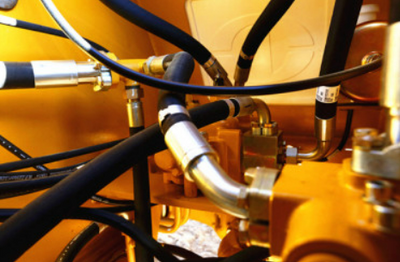
DIN metric connections are becoming more visible in U.S. maintenance because equipment platforms and supply chains are global. Imported European machinery, U.S.-built equipment for export, and multinational OEM designs can place DIN/ISO tube or hose interfaces beside JIC, ORFS, ORB, and NPT.
This trend is a compatibility and inventory issue, not proof that DIN is universally higher pressure or more reliable.
OEM platform standardization drives adoption
An OEM may use DIN/ISO 24-degree tube systems to share drawings and suppliers across markets. Tube outside diameter, light/heavy series, metric threads, compact geometry, and available valve or hose interfaces influence the decision.
Other connections may remain better suited to installed tooling, temperature, seal preference, or legacy equipment. JIC flare cracking is an assembly failure mode, not a reason to replace every JIC line.
U.S. service teams need better identification
Record metric diameter and pitch, 24-degree cone, tube OD, L/S series, cutting ring or elastomeric design, port end, and OEM application. Similar M18 × 1.5 ends can belong to different series or seals.
Do not mix DIN with JIS, Komatsu, BSP, or another metric-threaded fitting.
Inventory should follow machines and lead time
Stock common verified sizes according to failure history, criticality, and total overseas replenishment time. Keep low-frequency parts controlled by drawing and approved source. U.S. inventory and overseas production can work together when incoming lots retain revision and traceability.
DIN adoption succeeds when documentation, gauges, assembly tools, training, and spares follow the connection—not because a marketing claim says metric automatically solves vibration or pressure.