HGW Resources

HGW Blog

Practical guides for identifying hydraulic fittings, comparing connection styles, checking applications, reviewing materials, and finding relevant HGW product categories.

Materials

Evaluate Forged Hydraulic Bodies by Design, Material Flow, and Verification

HGW Hydraulics on Jul 7th 2026

Forging can create a compact, strong hydraulic fitting or valve body, but the manufacturing-process label does not establish pressure rating or service life by itself. Material grade, grain flow, reduction, die design, heat treatment, machining, surface condition, inspection, and final geometry all influence performance. The useful purchasing question is not “Is forging always superior?” It is “Wh
Materials

Choose Stainless Hydraulic Fittings for the Exposure, Not the Label

Jul 2nd 2026

Stainless steel can be an excellent material for a hose fitting or adapter, but “stainless” is not a complete specification. Grade, manufacturing condition, connection design, pressure-temperature rating, fluid, external exposure, and mating materials all determine whether it is the right choice. The decision should compare the actual failure mechanism with available materials rather than assume s
Materials

Use Only the Hydraulic Fluid Approved for the Specific Aircraft

HGW Hydraulics on Jul 1st 2026

Aircraft hydraulic fluid is selected as part of the certified or approved system. A familiar military specification, color or commercial product family does not authorize servicing another aircraft. The controlling source is the current maintenance data for the specific aircraft and component. Distinguish the principal chemistry families Petroleum-based fluids include products qualified to MIL-PRF
Materials

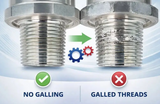
Stop Stainless Thread Galling Before the Fitting Begins to Seize

HGW Hydraulics on May 27th 2026

Stainless threads can feel normal for several turns and then lock abruptly. Continuing to apply torque may tear material from one flank to the other, weld microscopic contact points together, and leave both parts unusable. The useful time to prevent galling is before resistance rises, not after the fitting has seized. Galling is adhesive wear under load and sliding. It should be distinguished from
Materials

Prevent Stainless Thread Galling before Clamp Load Becomes Unstable

HGW Hydraulics on May 6th 2026

Galling is adhesive damage that begins when loaded thread asperities transfer material between mating surfaces. Continued rotation tears and raises the damaged areas until torque increases sharply or the joint seizes. On a hydraulic fitting, that friction change can also make the intended clamp load uncertain before the parts lock. Recognize conditions that raise risk Austenitic stainless threads
Materials

Read Fitting Alloy Names as Compositions, Conditions, and Processes

HGW Hydraulics on Aug 27th 2025

Brass, carbon steel and alloy steel describe different material families. Their useful properties come from controlled composition, processing and final condition; manufacturers do not simply add one element to a generic steel and receive a guaranteed result. For a hydraulic fitting, material identification must be tied to the product geometry, manufacturing route, heat treatment and applicable sp
Materials

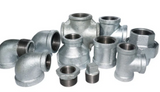
Galvanized Malleable Iron Pipe Fittings: Where Zinc Coating Helps and Where It Does Not

HGW Hydraulics on Apr 29th 2025

Galvanized malleable iron fittings combine an annealed iron casting with a zinc coating. The casting process provides threaded elbows, tees, unions, reducers, caps, bushings, flanges, and branches in compact shapes. Galvanizing delays corrosion of the iron surface in suitable atmospheres and fluid services. The material is common, but it is not a universal hydraulic or process connection. Pressure
Materials

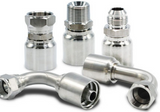
Stainless Hydraulic Hose Ends: Corrosion Benefits and Assembly Limits

HGW Hydraulics on Feb 19th 2025

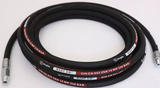
Stainless steel hose ends are useful where carbon-steel fittings would corrode from the conveyed fluid, washdown, chemicals, salt, humidity, or outdoor exposure. Their corrosion resistance can reduce coating loss and rust contamination, but it does not make the hose assembly unlimited in pressure, temperature, or service life. The fitting must belong to a matched assembly: exact hose construction,
Materials

Use EPDM Only with Fluids Confirmed by Compatibility Data

HGW Hydraulics on Feb 4th 2025

EPDM elastomers are generally unsuitable for petroleum-based hydraulic oils because hydrocarbon exposure can cause swelling, softening and loss of mechanical properties. That is a material-compatibility failure, not a fitting-tightness problem. The final decision still requires data for the exact EPDM compound and fluid formulation rather than a rule based only on color or trade name. Match the co
Materials

Use Stainless Hydraulic Fittings Where Corrosion Control Justifies Them

HGW Hydraulics on Oct 29th 2024

Stainless steel can solve a difficult hydraulic corrosion problem, but it cannot correct a mismatched thread, damaged seal or underrated assembly. The purchasing decision should begin with the connection and service conditions, then determine whether a stainless grade provides value over coated carbon steel or another approved material. Map the connection before selecting the alloy Straight adapte