HGW Resources

HGW Blog

Practical guides for identifying hydraulic fittings, comparing connection styles, checking applications, reviewing materials, and finding relevant HGW product categories.

Materials

Allocate Stainless and Coated Steel Fittings by Corrosion Zone

HGW Hydraulics on Jul 4th 2024

A machine does not experience one environment. A fitting under a closed hood may remain dry while another on the same circuit sees road salt, washdown, fertilizer, mine water, or marine spray. Mapping those corrosion zones allows stainless to be used where it solves a defined problem and coated carbon steel where it remains practical. Divide the equipment by exposure Mark continuous wetting, salt
Materials

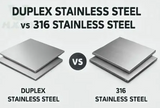
Escalate from 316 to Duplex or Super Duplex Only for a Defined Corrosion Case

HGW Hydraulics on May 23rd 2024

316L, duplex, and super duplex stainless steels are not three universal quality levels. Each is an alloy family with particular corrosion, mechanical, fabrication, and temperature behavior. A material escalation should respond to a defined chloride, strength, or stress-corrosion problem and should be verified in the finished fitting, valve, tube, or welded assembly. Establish the environment in en
Materials

Nickel Supply Risk After the 2022 Shock: What Stainless Buyers Should Track in 2026

HGW Hydraulics on Apr 25th 2024

Russia’s 2022 invasion of Ukraine was a severe nickel-market shock, but a 2026 stainless procurement plan should not reuse the production shares or spot prices reported during that week. Supply has changed, especially through Indonesia, while sanctions, trade policy, product form, energy, freight, and alloy demand continue to influence availability. Keep the 2022 event as history, not a live price
Materials

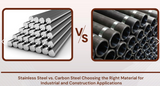
Choose Fitting Alloy from the Pressure Boundary and Exposure Zone

HGW Hydraulics on Apr 17th 2024

Carbon steel, stainless steel and brass each cover broad alloy and product families. Material selection should begin with the pressure boundary and exposure zones, then use the rating and connection data for the exact fitting. Generic pressure ceilings or application lists create false confidence because geometry and size can change capability more than the material name. Use carbon steel where st
Materials

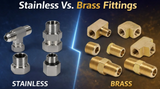
Choose Brass or Stainless Fittings from Alloy, Connection, and Exposure

HGW Hydraulics on Apr 2nd 2024

Brass and stainless steel can both be appropriate fitting materials. Their usefulness cannot be reduced to brass for low cost and stainless for high pressure. Alloy composition, fitting geometry, size, seal, joining process, media, temperature, external exposure, and product qualification decide the finished component’s performance. Specify the alloy rather than the color Brass is a family of copp
Materials

Evaluate a Brass-to-Stainless Joint by Electrolyte, Area Ratio, and Alloy

HGW Hydraulics on Mar 27th 2024

Brass and stainless steel can be connected in some fluid systems, but the joint cannot be approved from a short anodic-index distance alone. Galvanic corrosion requires electrical contact, an electrolyte and a potential difference, while geometry and environment determine the rate. The exact brass and stainless grades matter as much as their family names. Map the galvanic cell Identify which metal
Materials

Protective Finishes on Hydraulic Fittings: From Surface Preparation to Service Life

HGW Hydraulics on Feb 20th 2024

A plated hydraulic fitting is a layered component. The base alloy carries mechanical load, surface preparation creates adhesion, and the finish controls how the exterior responds to corrosion, wear, handling, appearance, or another required property. Selecting a coating by color alone ignores that system. The useful specification connects substrate, process, coating material, thickness, conversion
Materials

Recheck Hydraulic Fluid Compatibility Whenever Formulation or Temperature Changes

HGW Hydraulics on Feb 1st 2024

Material compatibility is not established by a broad fluid label such as hydraulic oil, water-glycol, solvent, or synthetic. Additives, concentration, contamination, temperature, pressure, exposure time, and cleaning chemicals can change how a hose, seal, coating, or fitting behaves. The compatibility record should name the actual formulation used in the machine. Map every wetted and externally ex
Materials

Compare Welded and Seamless Instrument Tubing from the Required Product Standard

HGW Hydraulics on Jan 9th 2024

Welded and seamless tubing are manufacturing routes, not automatic rankings of quality or pressure. Either can serve instrumentation duty when the exact tube standard, dimensions, material condition, manufacturing controls, inspection, and fitting system meet the process requirements. Begin with the service and governing code Record fluid or gas, design and operating pressure, temperature, corrosi
Materials

Choose One-Piece Forged or Brazed Fitting Construction from Joint Evidence

HGW Hydraulics on Dec 7th 2023

A shaped fitting can be formed as one body or assembled from separate pieces with a brazed joint. One-piece construction removes that secondary joint, but it does not make every forging stronger than every properly designed brazed fitting. Selection should compare the real part, joining procedure and qualification for the service. Understand how the body is created Forged shapes begin with billet