
HGW Resources

HGW Blog

Practical guides for identifying hydraulic fittings, comparing connection styles, checking applications, reviewing materials, and finding relevant HGW product categories.

Maintenance

Build Hydraulic Maintenance Checklists Around Stored-Energy Control

HGW Hydraulics on Dec 21st 2023

A hydraulic maintenance checklist is effective only if it controls the energy that can move equipment or release fluid. Checking boxes after a fitting has been loosened is too late. The procedure must identify pressure, gravity, springs, accumulators, heat, electrical power, and external loads before work begins. Define the machine-specific safe state Follow the employer’s energy-control program a

Fitting Guides

Size Hydraulic Lines from Flow, Velocity, Pressure Loss, and Machine Duty

HGW Hydraulics on Dec 13th 2023

Hydraulic line sizing is an energy and reliability decision. A passage that is too small can increase velocity, pressure loss, noise, and heat. A line that is larger than needed can add fluid volume, mass, cost, and slow response. The final choice must account for flow, viscosity, duty, component losses, routing, pressure, and the machine manufacturer’s limits. Use velocity as an initial screen Fo
Materials

Choose One-Piece Forged or Brazed Fitting Construction from Joint Evidence

HGW Hydraulics on Dec 7th 2023

A shaped fitting can be formed as one body or assembled from separate pieces with a brazed joint. One-piece construction removes that secondary joint, but it does not make every forging stronger than every properly designed brazed fitting. Selection should compare the real part, joining procedure and qualification for the service. Understand how the body is created Forged shapes begin with billet
Materials

Compare Forged and Cast Fitting Bodies from Finished-Part Evidence

HGW Hydraulics on Nov 28th 2023

Forging and casting create different starting structures, but the process name alone does not establish a fitting's strength, pressure rating or service life. Alloy, heat treatment, geometry, defect control, machining and finished-part qualification determine whether a component is suitable. The useful comparison identifies each process's risks and the evidence used to control them. Foll
Fitting Guides

Turn STAMP Inputs into a Qualified Instrumentation Connection

HGW Hydraulics on Nov 22nd 2023

STAMP—Size, Temperature, Application, Media and Pressure—is useful only when each input produces a component requirement. The output should be a tube, fitting or valve specification that can be checked against current product data and the process design. A five-letter checklist without numbers, materials and functions remains an incomplete request. Begin with what the application must do Define me
Materials

Choose Brass or Polymer PEX Fittings from Bore, Water Chemistry, and Listing

Nov 14th 2023

Brass and polymer insert fittings can both be correct for PEX piping. The choice is not a contest between metal strength and plastic price. It depends on the joining system, actual flow passage, water chemistry, temperature and pressure, exposure, local code, and the product listing for the intended service. Identify the PEX joining system first PEX is cross-linked polyethylene tube used in water
Connection Types

Manage O-Ring Sealed Hydraulic Connections from Selection through Storage

Nov 9th 2023

An O-ring can compensate for controlled surface and assembly variation, but it cannot correct the wrong groove, damaged port, incompatible elastomer or misaligned conductor. Reliability comes from managing the seal as a specified component throughout purchasing, storage and installation. ORFS and ORB illustrate why the sealing location matters. Distinguish the two common interfaces ORFS places an
Materials

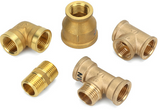
Specify Brass Fittings by Connection Style, Alloy, and Service Approval

HGW Hydraulics on Nov 1st 2023

Brass is easy to machine and form, conducts heat and electricity, and resists corrosion in many environments. Those properties support a broad fitting range, but they do not give every brass connector the same pressure, temperature, fluid compatibility, or regulatory approval. Start with the connection style and exact service. Pipe-thread brass fittings need a defined seal Straight adapters, elbow
Fitting Guides

Connect Hydraulic Fittings Through Identification, Assembly, and Cleanliness Gates

Oct 26th 2023

A hydraulic connection should pass several gates before pressure is applied. First identify both interfaces, then confirm the hose or tube and end system, control assembly dimensions, protect cleanliness, and complete the required inspection or test. Skipping an early gate cannot be repaired with extra torque at the end. Gate 1: identify where the connection seals Record each end as a complete sta
Maintenance

Decide Hydraulic Fitting Reuse from Component Function and Damage Evidence

HGW Hydraulics on Oct 17th 2023

“Can this fitting be reused?” has no safe yes-or-no answer at the connection-family level. A detachable adapter body, a tube nut, a cutting ring and a crimped hose stem perform different functions and have different remake rules. Reuse requires product authorization and evidence that the component still meets its purpose. Classify the part before inspecting it A threaded adapter or removable ORFS,